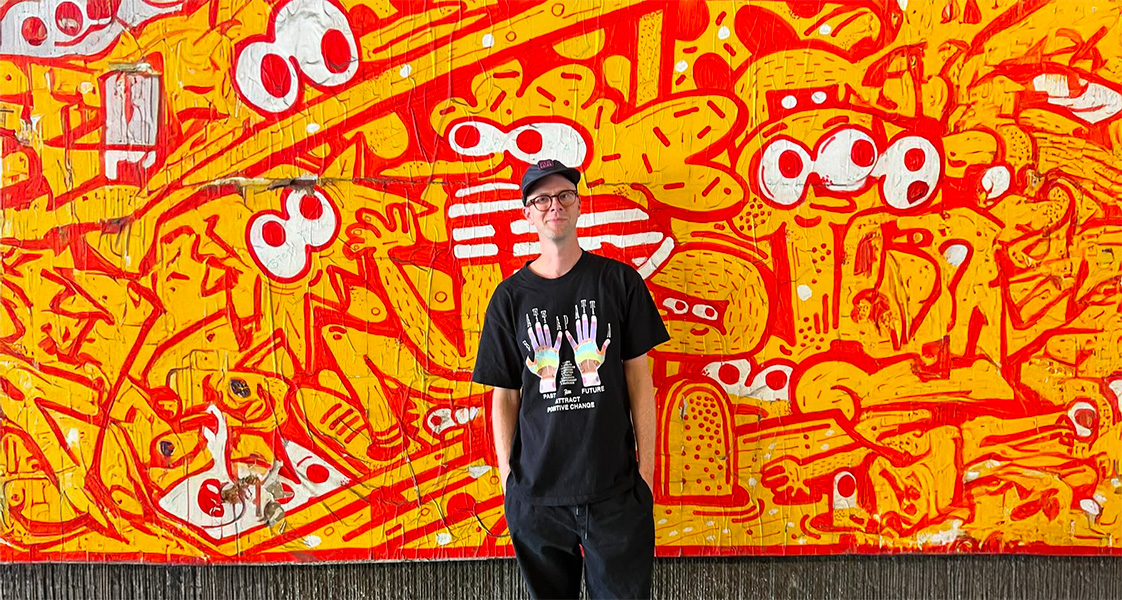

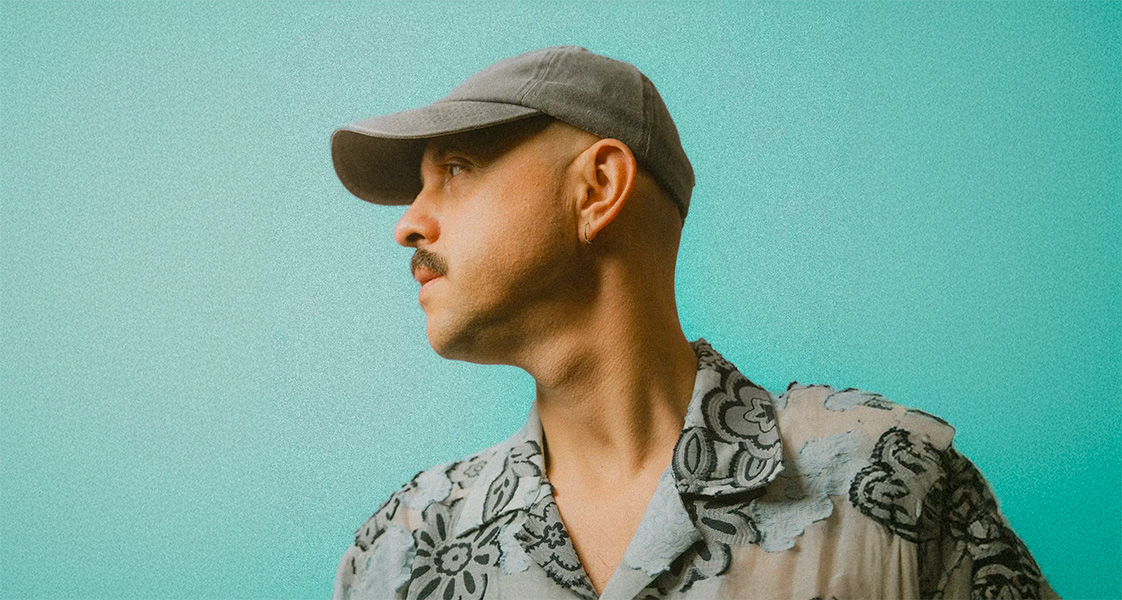
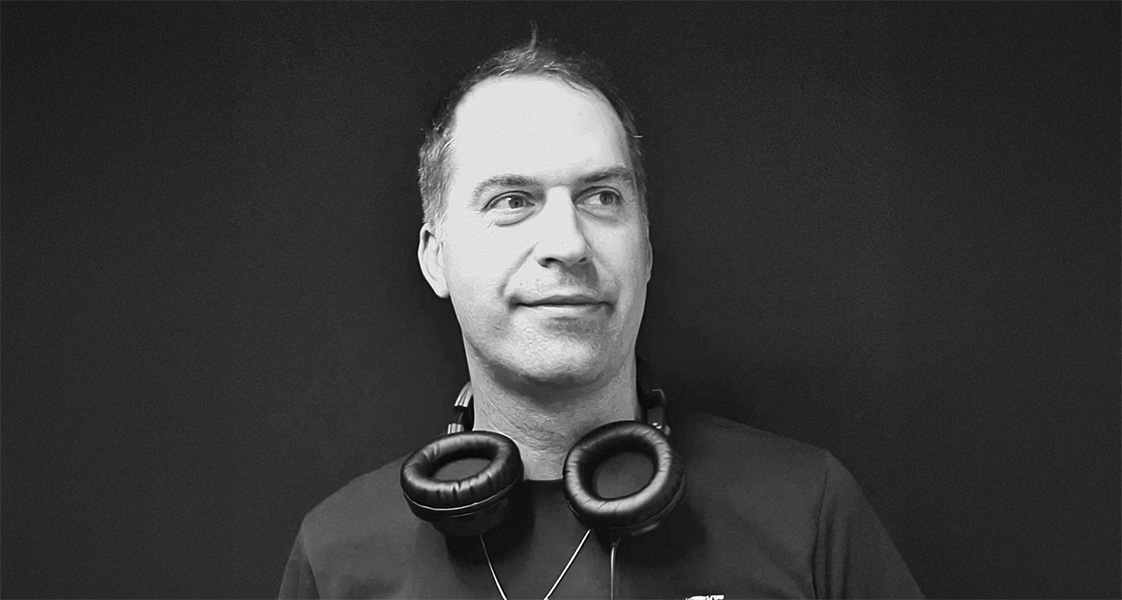
Sound of Fractures (aka Jamie Reddington) is an artist challenging the very definition of a music release in the digital age. In a landscape defined by fleeting, 60-second attention spans, his work prompts a vital question: what is the true value of a music video? His latest project, ‘Scenes,’ is his most ambitious answer, moving beyond passive consumption to spark a vibrant, active dialogue with his audience.
Critically praised by tastemakers like Mixmag and DMY Magazine for his distinctive blend of UK dance music, hip-hop, and soul, Jamie’s music is deeply emotional, integrating found sounds from his daily life. With ‘Scenes,’ he’s not just dropping an album; he’s creating a ‘world,’ inviting fans to share their memories and photographs to be preserved alongside his tracks. This innovative approach, which explores the fusion of web2 and web3 technologies, is an attempt to foster profound emotional bonds and rethink the artist-fan connection.
We sat down with Jamie to discuss why cinematic videos matter, how he’s building a new vision for the album format, and why music is more than just sound—it’s a collective experience.
WWD: In a short, banner-style way, explain the mission behind the Sound of Fractures project. What’s the mission statement?
Sound of Fractures has become about reminding people why music matters to them. I’m trying to build emotional, human connections through the things I make, whether that’s a song, an artwork, a memory prompt, or a live show. Everything I do is about slowing people down long enough to feel something real again, and creating spaces where that connection can happen.
WWD: How has that mission evolved or changed in an ever-shifting music industry?
It’s evolved because the industry has changed dramatically. We’ve moved into this era where visibility is determined by algorithms, and artists are rewarded for volume over meaning. For me, that pushed the mission into a more intentional space: how do I make work that resists that pressure, but still finds the people who actually care?
When I started out making music as Sound of Fractures it was just about releasing honest music on my own terms, but projects like my album SCENES taught me that there’s a huge appetite for deeper engagement. It started as a way to create something that people would share publicly, but it taught me that my future lies in more than just audio files, it’s world-building, co-creation, and emotional value. It’s developed from being just about owning my music, to being about experimenting with building artist-owned ecosystems, finding new ways to fund experiments, and creating work that lasts.
WWD: Let’s talk about the music video for ‘Scenes.’ We’ve seen TikTok clips and behind-the-scenes content. How did the idea come about?
The idea genuinely started with a DM. Helena, the director, reached out on Instagram because he loved the track and wanted to talk about 90s/2000s music videos—Gondry, Spike Jonze, Chris Cunningham—the stuff we both grew up obsessed with. We spoke as fans first, and that’s where it all started.
At first I didn’t think it could happen, because videos at that scale just don’t get made anymore. There’s no real model for funding them. And ironically, that became the reason to make it. One of my patrons, CY. Lee, stepped in as Executive Producer after I said, “videos like this just don’t exist now,” and he basically said, “Well, that’s exactly why you should make it” .
The whole thing came together through community support, love for the era, and refusing the idea that ambition and quality work is unrealistic just because it isn’t algorithm-friendly.
WWD: The video has a clear identity and style. In a social-media driven world, how effective do you think music videos can really be?
Honestly, traditional music videos don’t make sense anymore in a “views-as-success” way. But art still does.
So the effectiveness isn’t about virality, it’s about creating a world around the music. A strong visual identity lets people understand who you are on a deeper level. And even if the average viewer only sees the 15-second clip on TikTok, the full video still becomes a anchor for the people who care, and a signal about the type of artist I want to be.
I’m learning to lean into depth over reach. As musicians we have become programmed to chase numbers so it’s not always easy.. Especially because in the end we still want people to hear our music. But now we are more intentionally aiming for the people who move with you project to project, who show up to live shows, who buy the book, who send memories and stories. That’s what matters in the long run.
WWD: Is the purpose just to clip up the videos for social media, or is there more to it?
Clips are part of it, we can’t ignore that world, but for me the full video is about grounding the work in intention. It’s something people can sit with. Something that deepens the emotional value of the music.
My whole practice is about resisting disposability. It’s why SCENES became a book, not just a playlist. Why I do physical objects, postcards, maps, installations—things that create meaning and memory in a way clips can’t .
So, yes, clips help reach people and if I was advising an artist who is spending money on videos I would tell them to think about how it works in the short form content world.
WWD: Can you explain to readers who might not understand: why is it important for artists to engage in forward-thinking marketing ideas?
Because the old model doesn’t work anymore. There’s no playbook anymore. And if you just follow the standard release-cycle checklist – announce, pre-save, out now – you don’t just get lost in the noise, but it’s boring too. It becomes too reliant on streaming and followers, and it’s hard to convert those into fans that care.
Forward-thinking ideas aren’t always about “being clever with marketing”, they can be about expression and connection. The most revolutionary thing you could do right now is probably just arrange a regular meet up with your fans at a pub, to discuss a shared passion.. That can be world building too, it doesn’t have to be as big as BRAT.
‘SCENES’ proved this for me, it was about creating something people could feel a part of. That is marketing I guess, but it’s also art and it’s community. It created a deeper connection between me and the participants, but more importantly it facilitated the participants being able to connect with each other.. With my music as the sound track. I think artists need to give themselves the freedom to do that in whatever way is right for their identity. I have been asked to duplicate SCENES for other artists, but that’s the wrong approach, as it was built from, and on who I am as a person, I want to encourage artists to build their own worlds based on who they are.
WWD: What’s coming up in 2026?
2026 is about expanding everything I’ve been experimenting with: ‘The Alone Together’ EP is coming out and it has its own online platform where people can share their memories to be a part of my music… I want it to take the last project a step further and allow people to place their lives in the music. And I’m planning an exhibition under the same name. The idea is to create a space where people can reflect on what matters to them most and connect with each other through shared experiences. I want it to be a full day that encourages reflecting and connecting, supported by visual art, which will then lead into a live show and music in the evening.
It feels like the next chapter is about scale I guess, not in terms of numbers, but in terms of depth and ambition. I want to take these ideas somewhere they’ve never been before, and make more work that speaks for itself.