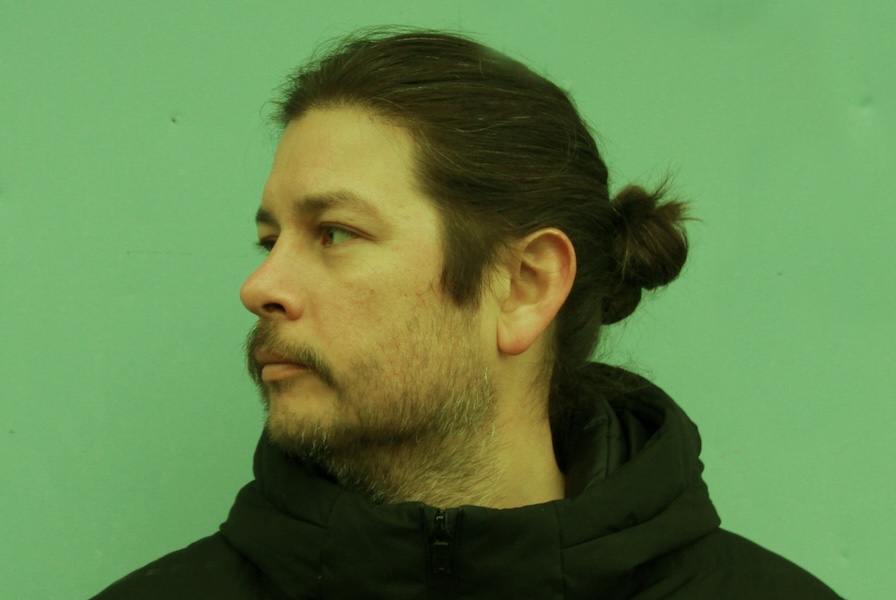
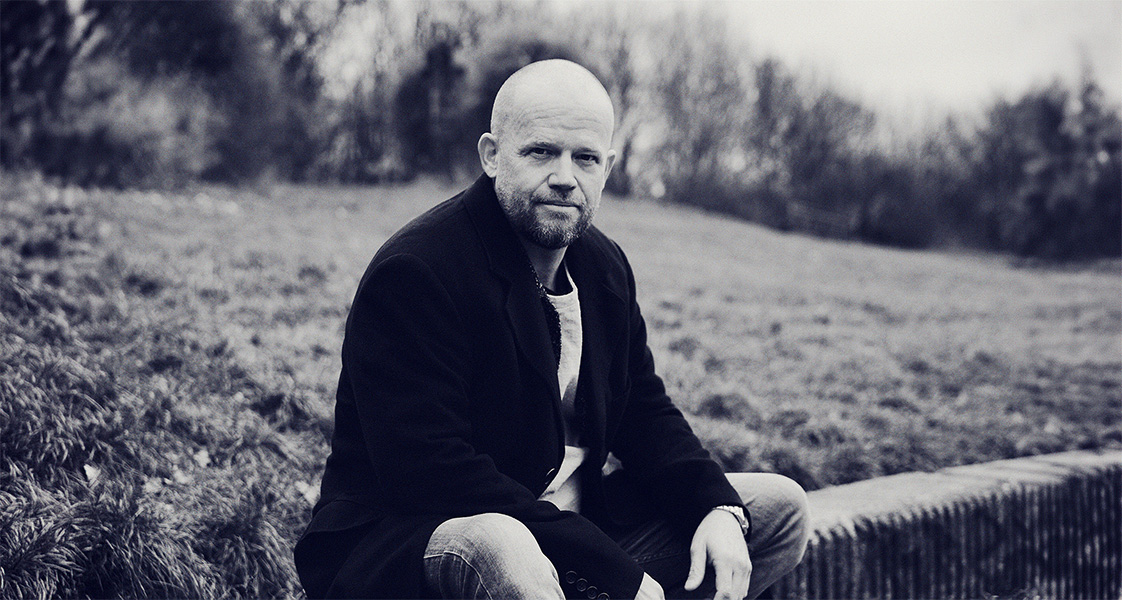
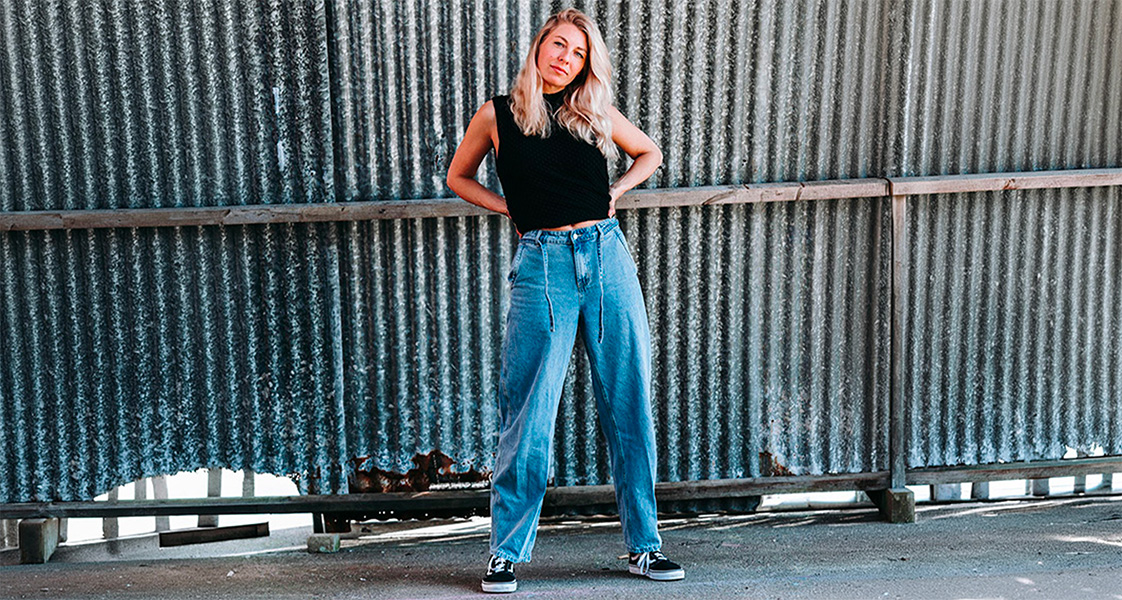
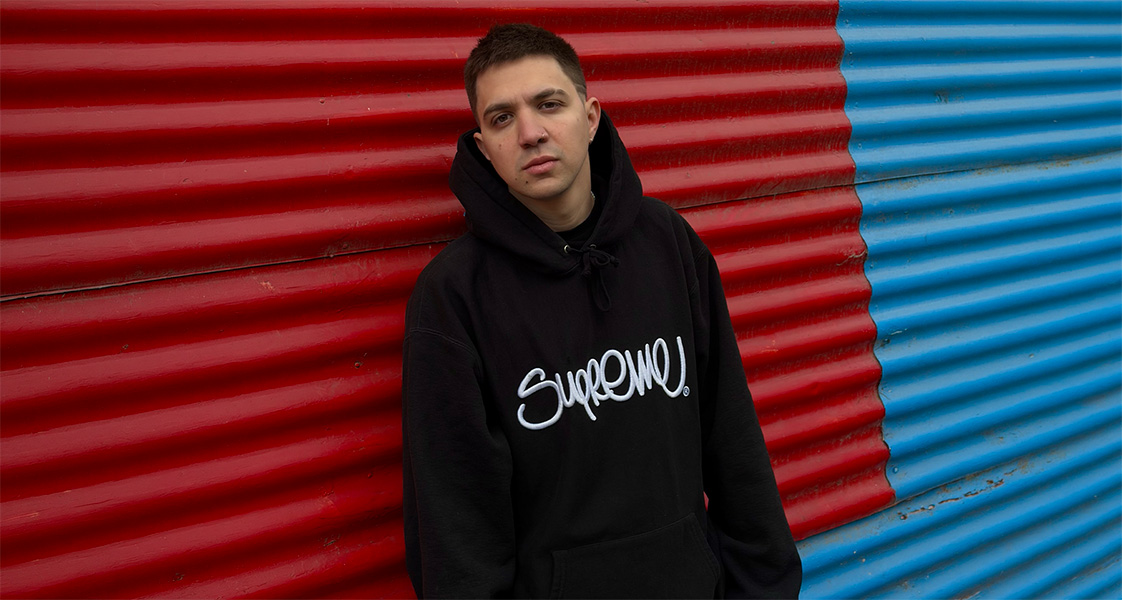
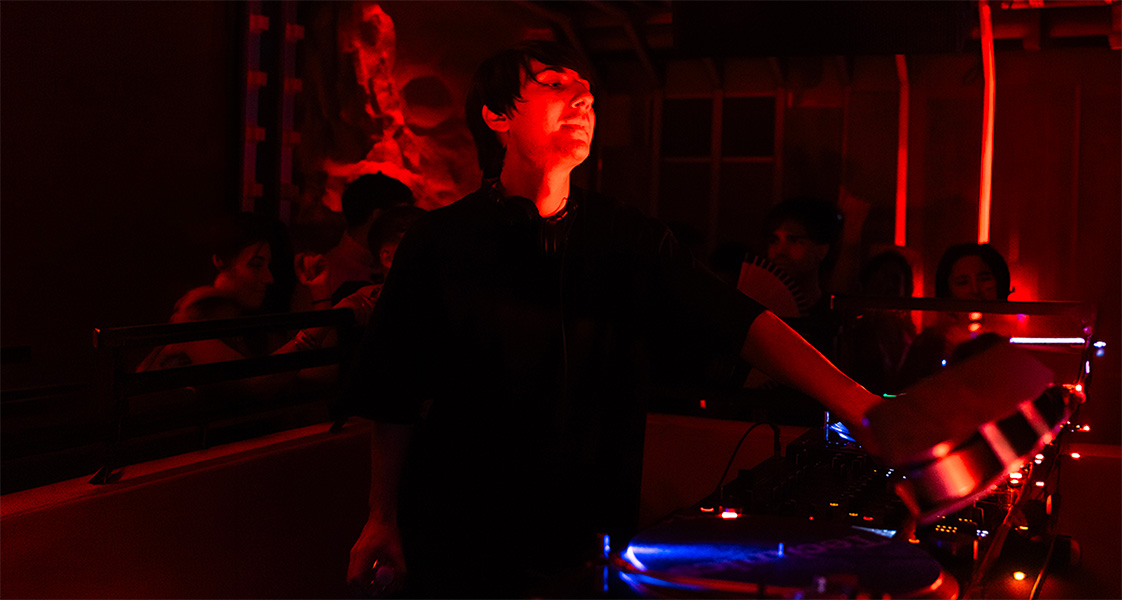
Few artists are as committed to the timeless values of deep house as Orlando B. Drawing inspiration from Detroit’s musical legacy and the warmth of ’90s production techniques, the London-based producer has steadily built a reputation for soulful, groove-led records that favour atmosphere over hype. As founder of Contemplate Recordings, he’s remained dedicated to music with depth, emotion and longevity.
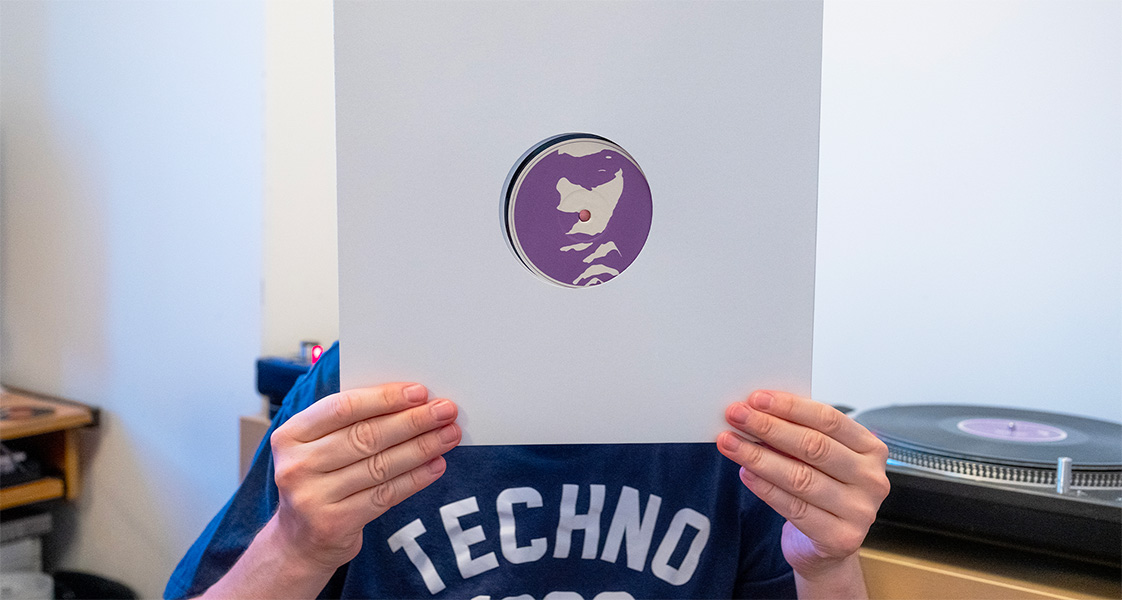
His latest release, ‘Go Deeper’ EP, released July 31st on Contemplate Recordings, marks not only a return to vinyl but also a new visual chapter for the label. Built around warm synth textures, jazz-influenced harmonies and the unmistakable feel of classic sampler-driven production, the four-track EP captures everything that makes deep house so enduring. We caught up with Orlando B to discuss the making of the record, his love of hardware, the importance of vinyl in 2026, and what keeps him inspired.
WWD: ‘Go Deeper’ feels like both a musical statement and a mission statement. What does “going deeper” mean to you personally, both as a producer and as a listener?
It definitely became both. Go Deeper is about digging further into what first inspired me to make music and staying focused on that deeper sound. It’s easy to get distracted in the studio by new ideas or different styles, and those experiments can always become side projects. But with Contemplate Recordings, the goal is clear: to keep exploring the deeper, more emotive side of house music.
As a listener, going deeper is about becoming completely immersed in a record and getting lost in the music. Some artists have always had that ability to create a world within a track, Ron Trent is a great example of that. His music can draw you in and make you focus on the feeling rather than just the individual elements.
WWD: You mentioned that ‘Soul Frequency’ was the track that convinced you this project deserved a vinyl release. What was it about that record that made you realise the EP had become something bigger than just another digital release?
I’d wanted to return to vinyl for a while. You can spend months working on music only for a digital release to disappear after a few weeks, whereas vinyl feels like you’re creating something people can live with for years.
‘Soul Frequency’ reminded me of the records I made for Yore Records, and the reaction it received gave me confidence that it was worth pursuing. Sometimes you don’t need huge praise, a raised eyebrow from someone whose opinion you respect can be enough. Once Go Deeper came together, it felt even stronger as the centrepiece, and its title summed up exactly what I wanted the EP and the label to represent.
WWD: Your productions have always carried that unmistakable warmth associated with classic Detroit and ’90s deep house. How do you balance paying tribute to those influences while still making records that feel like Orlando B rather than an exercise in nostalgia?
I don’t consciously set out to recreate Detroit or ’90s deep house records, even though those influences are definitely part of my musical DNA. I always try to make something that feels original. I usually start with a chord progression that creates the right mood and let the track develop from there. The influences naturally come through because they’ve shaped my musical taste over the years, but the aim is always to add my own perspective. If people can hear those influences while still recognising it as an Orlando B record, then I’ve achieved what I set out to do. Ultimately, I’m trying to make music that feels timeless rather than simply recreating a particular era.
WWD: Rather than relying heavily on software synths, you’ve built your own library of multi-sampled classic hardware sounds and work primarily from the Akai MPC. How important is that hands-on workflow in shaping the character and emotion of your music?
I started making music with an Atari, an Akai sampler and hardware sound modules running Notator SL. You barely looked at a screen, you interacted with the music, and the MIDI timing was incredible.
Later I moved to Cubase, then tried Logic, Ableton, Push and Maschine. They all offered endless possibilities, but I found myself spending more time looking at software than making music.
The MPC changed that. I started with the MPC1000 and now use the MPC Live. Even though it doesn’t have the classic Akai sound, it retains the same fast, hands-on workflow. I rely heavily on muscle memory, so ideas appear quickly instead of getting lost in menus. For me, the initial spark is everything. Arranging can come later, but if the original idea isn’t exciting, the track never will be.
WWD: In an era where music is often consumed in playlists and short-form clips, you’ve spoken about wanting to create records that feel timeless rather than disposable. Do you think listeners are beginning to rediscover that deeper relationship with music?
I think so. The number of classic house and techno records being repressed shows there’s still an audience that wants more than background music or a playlist track. People still appreciate putting on a record and spending ten or twelve minutes with one piece of music. Whether that’s nostalgia or simply wanting a deeper listening experience, I think that audience has always been there.
WWD: Contemplate Recordings has developed its own identity over the years. With this EP launching alongside a refreshed visual direction, does this feel like the beginning of a new chapter for the label?
Absolutely. The refreshed artwork is part of it, but it’s really about having a clearer vision than before. I know the sound I want the label to represent, and I’m approaching every release with that in mind. Rather than chasing trends, I want Contemplate Recordings to become known for timeless, musical deep house with its own identity.
WWD: You’ve received support from DJs across a broad spectrum of house and techno, from Dave Clarke and Slam to Chris Stussy and Skream. Does it surprise you when your music connects with artists from such different corners of electronic music?
I’ve made everything from tougher techno to deeper, more melodic house over the years, so it’s understandable that different DJs connect with different sides of my catalogue. That said, it’s always a great feeling when an artist whose work I respect chooses to play one of my records. Whether it’s an established name or a newer artist, I’m always grateful that my music has connected with them.
WWD: Deep house has changed dramatically over the past three decades. Looking at where the genre sits in 2026, what excites you most about its current direction, and what do you hope never changes?
I think deep house has evolved in terms of production, technology and the different scenes it has influenced, but the core elements that make great deep house haven’t really changed. The records I connect with today still have the same qualities that drew me in years ago, a hypnotic groove, a strong bassline, emotional chords and a feeling that pulls you into the track.
What excites me is hearing artists continue to explore those elements in their own way. Production techniques may change, but the feeling remains the most important thing. For me, the best records are timeless rather than tied to a particular era.
WWD: When you’re starting a new track, what usually comes first: a groove, a chord progression, a melody, or simply a feeling you’re trying to capture?
It nearly always starts with the chords. If I find a progression that creates the right mood, everything else tends to follow naturally. Then I’ll build the groove, and hopefully the bassline appears almost immediately. If I’m struggling with the bassline, it’s usually a sign that the original idea isn’t quite strong enough, so I’d rather start again than force it.
WWD: Looking beyond ‘Go Deeper’ EP, what’s next for Orlando B and Contemplate Recordings? Can fans expect more vinyl projects, collaborations, or perhaps an exploration into the deeper techno side of your sound?
I’m already working on the follow-up release and I’d love to continue building Contemplate Recordings as a vinyl-focused label. I’m also planning to revisit some older digital releases that I still believe in, re-recording and remastering them so they sit comfortably alongside the newer material. Beyond that, I can definitely see myself exploring the deeper, more atmospheric side of techno again. I don’t like putting myself in one box, as long as the music has depth and emotion, I’m happy to follow wherever it leads.
WWD: Sounds great! Thanks for the chat 🙂
Thanks to you!
The ‘Go Deeper’ EP is available here.