
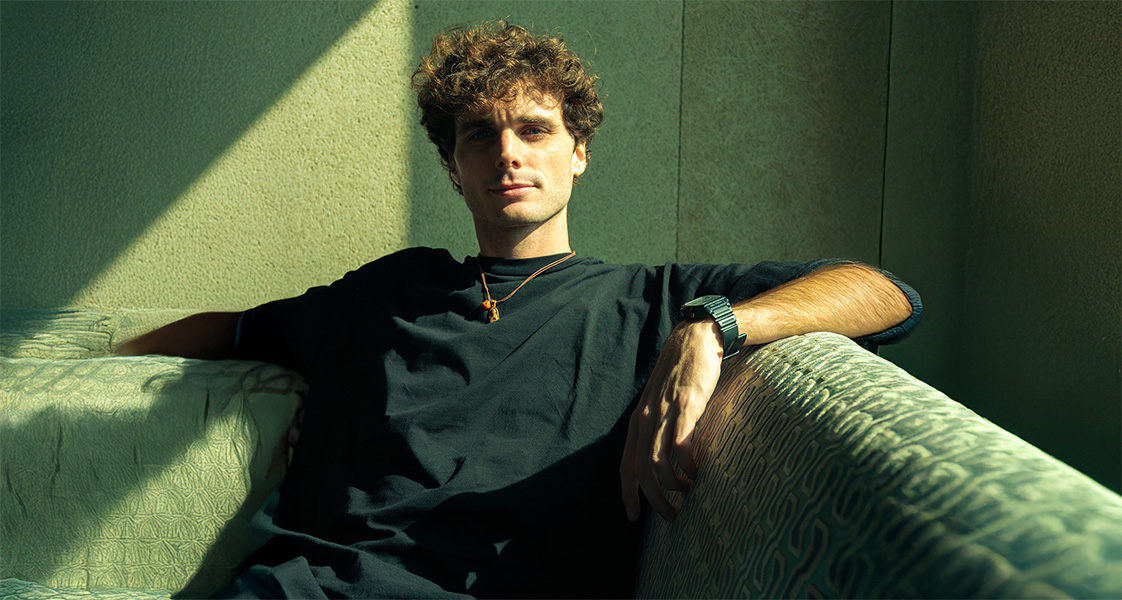
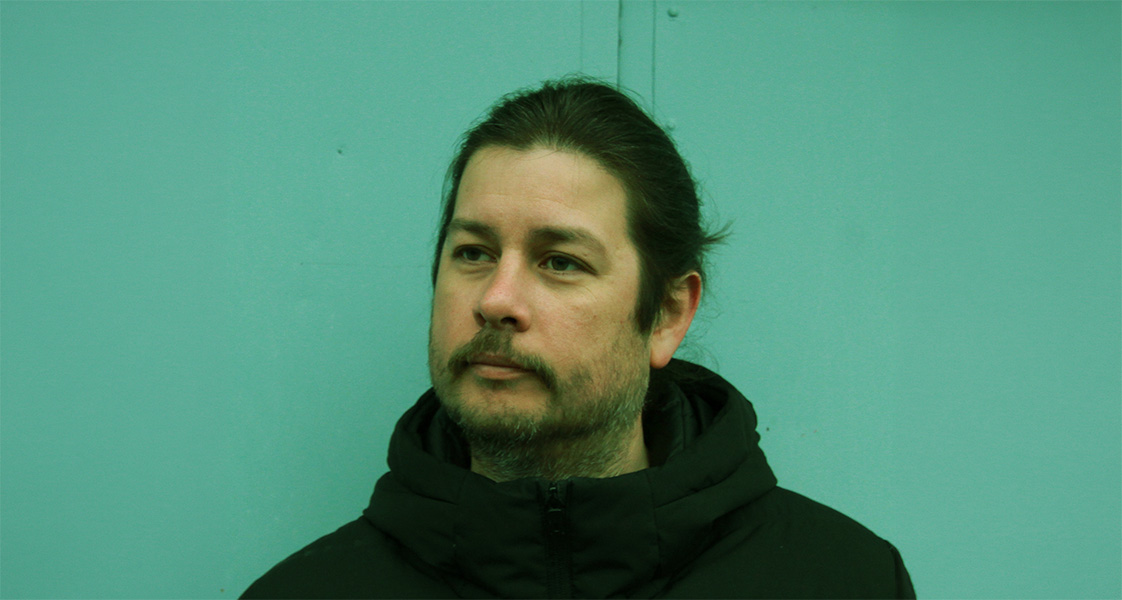


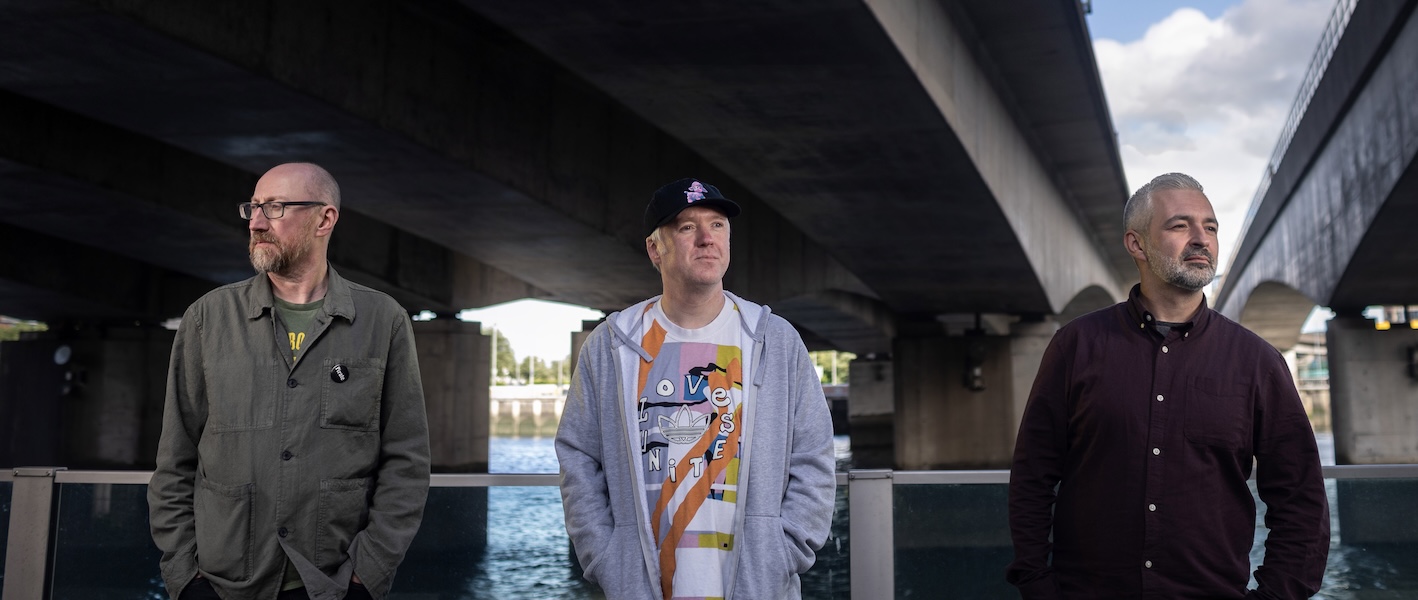

Ibiza-born selector and producer Bruno Roth steps onto NYC-based imprint Onysia with the ‘Sweet Paradise’ EP, a refined four-tracker that leans into soulful depth, subtle musicality, and timeless house sensibilities. With remixes from J Gabriel and Tommy Vicari Jnr, the release reflects both Bruno’s classical roots and his deep connection to disco, funk, and house culture. Raised in Ibiza, trained in engineering, and shaped by dancefloors from Café Del Mar to Hong Kong and KAOZ Theory, Bruno Roth represents a generation of artists balancing heritage with modern expression. We caught up with him to discuss the ‘Sweet Paradise’ EP, incredible vinyl collection, what’s next in Ibiza, & more!
WWD: Your ‘Sweet Paradise’ EP feels very intentional and restrained. What headspace were you in while writing these tracks, and what kind of journey did you want the EP to take the listener on?
I’m a more funky artist when it comes to production you can see it in my own Record Label Cas Gayati Records and when J. Gabriel asked me to make something for his label, I said that I should make something a bit more minimal inspired but within my roots too. So I based everything in my love for Deep House but in a way that couldn’t be expected. In pure minimal you don’t have this type of vocals normally, also the way they are pitched. Sampling from the early era of electronic music in the 70s makes the pads for example with a lot of movement and with a different unique feeling. Reverse sounds also feel very good.
WWD: Being born and raised in Ibiza, how has the island shaped your understanding of groove and musical patience, especially compared to the more club-driven scenes you’ve experienced elsewhere?
Well Ibiza for me probably is different than what other people could feel about it. It’s my home where I played on the streets since I was a kid, where all my family belong. We’ve been more than 10 generations in the white island so we’ve seen it all from starvation and living by day to what we have now, the hustle against big corporations, house speculation and all the DJs of the world but us. So I took a different approach than many Ibizan DJs do and it was about studying and understanding all the process of how music is made. My grandfather was one of the pioneers of the ‘’Ibizan Music’’ with some of the first vinyls in the mid 60s but it was wiped out with the arrival of all the massive tourism. I work as an Engineer and as a Ghost producer for many different styles. We don’t have many opportunities because everyone comes here so you have to hustle double.
WWD: ‘Paradise’ feels equally suited for warm-up sets and intimate moments. How important is versatility when you’re writing club music today?
For me versatility is important yes but more important is uniqueness. Of course making very different styles of music constantly makes you understand better what makes people have that feeling that they say is the right one but I don’t know if I could tell you the trick. It is more of a feeling for me. You know when it sounds right.
WWD: The EP moves between soulful house, indie-leaning disco, and classic dancefloor energy. Do you see genre as a boundary or a toolkit when you’re producing?
I’ve never used a reference track when I produce for myself. It just doesn’t work for me. I need to feel the moment, the vibe, where the track is bringing me and where I want to bring the people. So the genre comes alongside the ride. Sometimes I think that I’m doing a funky track and because I decided to change the key element for that feeling I mentioned before all of a sudden is a Deep House track. So let the creativity be. That’s the most important thing for me.
WWD: J Gabriel and Tommy Vicari Jnr both brought very different perspectives to the remixes. What do you look for in a remixer and how did their interpretations surprise you?
In this case the remixers were chosen by J. Gabriel and bringing Tommy Vicari for me was an absolutely brilliant idea. I really admire his music and the sound that brings always to the table. I was thinking of making my tracks faster having Onysia in my mind but I decided not to do it and left that freedom for them because I know they normally take faster tempos in their music production. J. Gabriel’s interpretation for me is like that track that you know it will bring you somewhere you haven’t visited yet and Tommy Vicari just killed it using my bassline and my pads in a super creative way. Absolutely a banger for the club.
WWD: Your background includes classical training, audio engineering, and years of digging vinyl. How do those elements still show up in your production workflow today?
Well as I said before when I do something for myself I try not to check anything else before. I love to be inspired by the rest of the elements. What this means is it takes longer to make that groove but once you have it, it just brings you somewhere else. I don’t always start my production in a methodical way. I always keep changing to feel inspired. Sometimes I sample, sometimes I just play some random stuff on my own and I resample it or sometimes I just think what this artist or the other artist will do but not checking on their tracks if not imaging it. I’m more of an audio engineer and vinyl DJ than a musician. I would say the thing that I’m the most is a mixing and master engineer and I love it. I also love the approach if it sounds good, sounds good. Just listen to it everywhere you can.
WWD: You’ve shared booths with artists like Louie Vega, Anané, Kerri Chandler, and Groove Armada. What have those experiences taught you about longevity and identity in house music?
For me longevity just depends on how much you are willing to let go. These artists didn’t become famous from one night to another like happens nowadays. They were fighting very long for their place and making lots of different music to get where they are. Some with a special talent like Kerri Chandler and Louie and others understanding perfectly what the crowd wants like Groove Armada. When you talk about identity for sure Kerri and Louie are one of the masters in this. They are house music in their soul and you can feel it. When you are next to them in the booth and you see how much they appreciate the good music and how they feel it, you know it’s not fake. They don’t need to. So it’s very important to not be fake because it’s already a day, day of faking till you make it guys coming in and out and not even understanding how music is made.
WWD: With over 4,000 vinyl records in your collection, how does digging inform the way you structure your DJ sets compared to your studio productions?
For me, digging is a passion. I’m not that guy that will say everybody hey look what I bought. I’m more the one that you don’t know what’s gonna come today and this feels alright for me. I like to play many different styles of music but I also have a problem. House music made from 1992 till 2006 is just so good that nowadays finding real gems is very, very difficult. The quality of the music in general is going down and there are very few artists from our generation that are keeping it with the sound and the creativity. So of course I’m trying to be one of them, putting all the love that I can in my formula.
WWD: Onysia has a strong identity rooted in deep and minimal house. What about the label felt like the right home for Sweet Paradise EP?
I made a selection of some of my tracks for Onysia. ‘Sweet Expression’ was made for him. J. Gabriel chose in between what I was inspired by Onysia. So I think it is a good fit for sure. J. is a lovely guy with an amazing music taste.
WWD: Looking ahead to 2026 and beyond, what excites you most right now: refining your sound further, exploring new musical directions, or building community through your label and residencies?
Well right now I’m focusing very much on my label. Ibiza really needs a !K7 or a Ninja Tunes where you can feel identified with the sound of the ibizan people. New generations of Ibizans need to understand that there’s a place if you work hard and believe in making music and you don’t need to just play the game or play along for half of a gig to all the foreigner people that rule the island. We are playing a game that we will always lose and we will always have that feeling if we don’t start to focus just on the music. You cannot block out good music (even if you want to) but you can kick out any DJ, event or AR. We have a sound called Balearic but it’s not our sound and our biggest representatives are not really music producers or master crafts in this. So it is obvious that they depend on someone else to be there. We need to change that. I have a vinyl residency closed for this summer with Six Senses Ibiza in an amazing sunset spot and I’m talking with different venues for possible bigger events but it will be confirmed when it should.
WWD: Sounds amazing! Thanks for the chat 🙂
Thanks!
The ‘Sweet Paradise’ EP is available here.