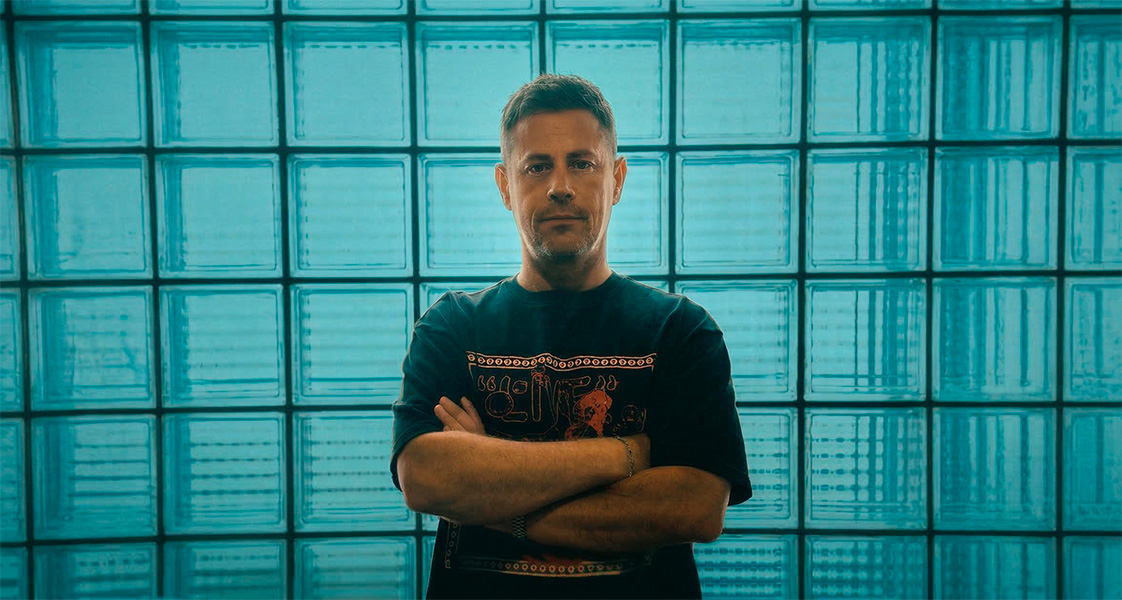
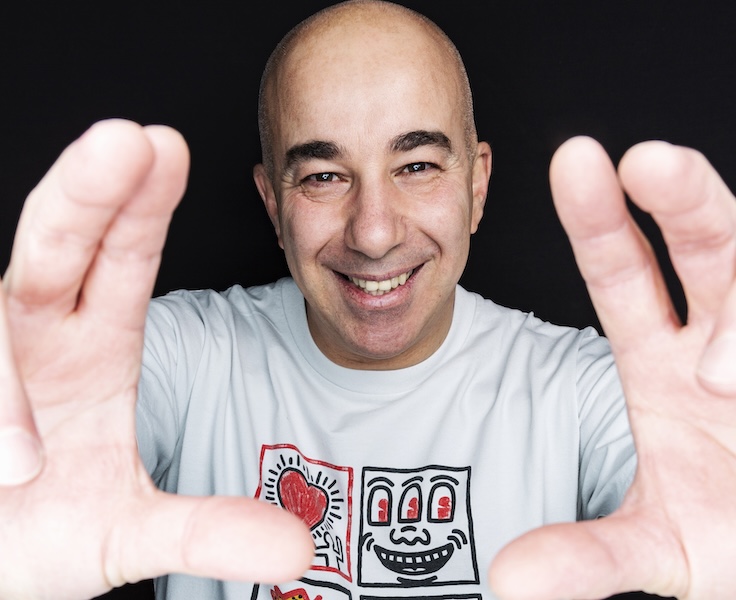
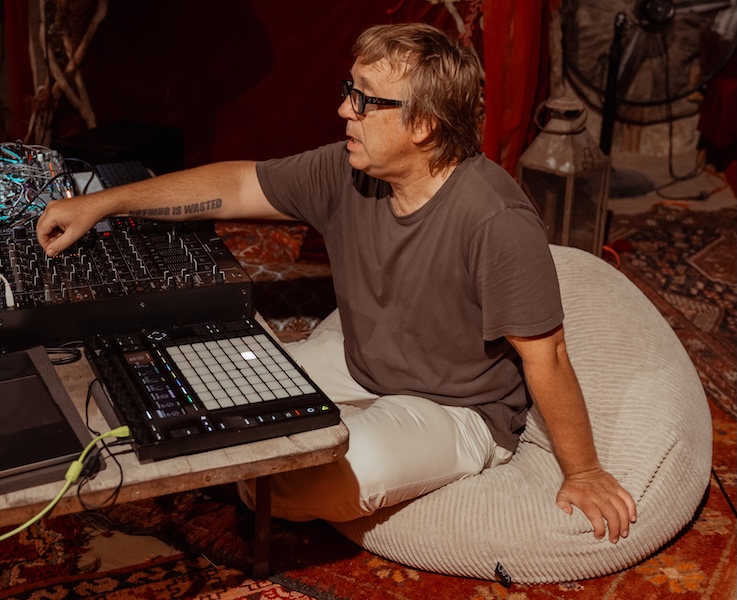
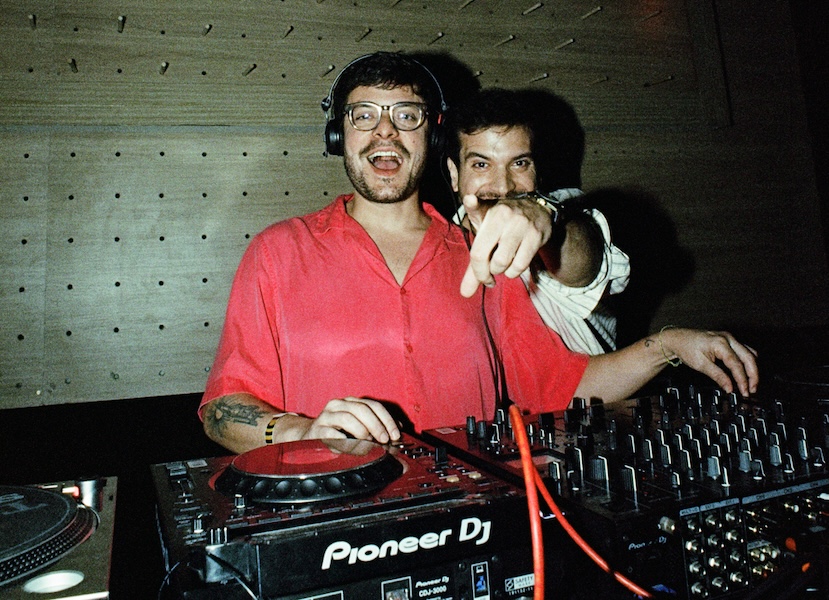
Few executives in electronic music have worked across as many meaningful layers of the industry as Carsten Levi. Over the past two decades, he has helped shape artist careers, label identities, platform growth, and international strategy from inside some of the culture’s most respected institutions. From the early days of Europe’s first electronic boom at Low Spirit, Mayday, and the wider Love Parade era, to key roles at companies such as BPitch Control, Beatport, Jackmode, various agencies, and now Effect Talent Management, Levi’s career mirrors the rise of electronic music itself from subculture to global business.
What sets Levi apart is not just longevity, but range. Over the years, he has moved fluidly between artist management, label operations, publishing, international marketing, business development, platform strategy, and the live side of the business, including touring and events, building a rare perspective on how the different parts of the industry actually connect. That breadth has made him a trusted figure across multiple chapters of electronic music’s evolution, and someone uniquely positioned to translate artistic vision into long-term momentum.
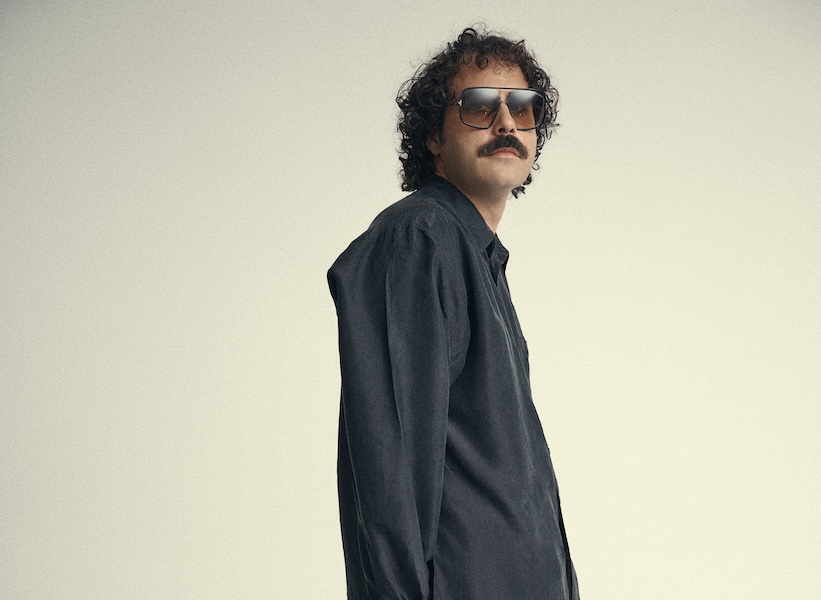
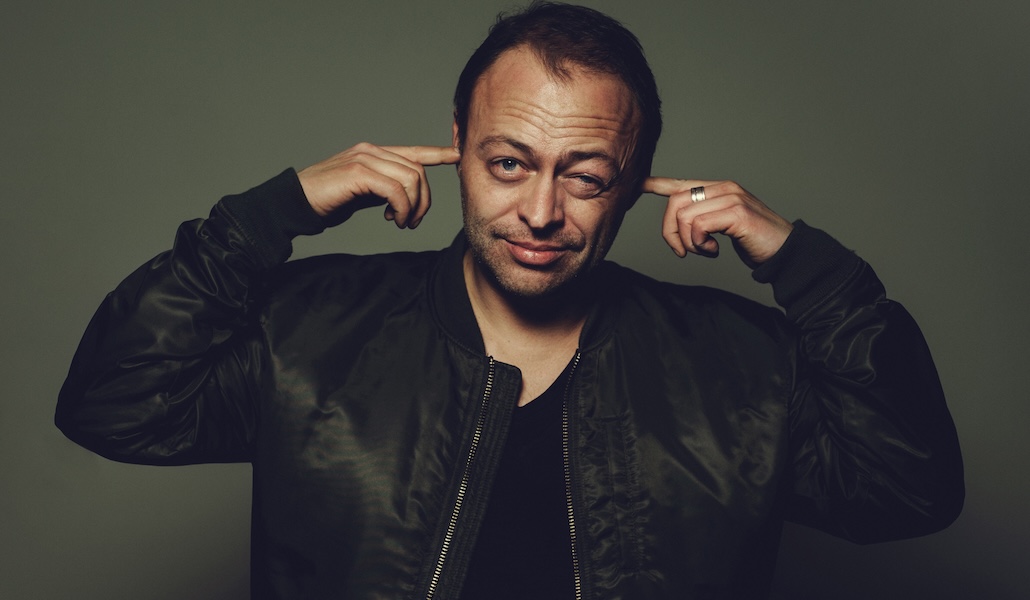
Today, through Effect Talent Management, Levi works with a carefully selected roster of artists spanning different generations and trajectories within electronic music. Past and current clients include globally recognized names such as WhoMadeWho, Notre Dame, Echonomist, Two Another, Rodriguez Jr., and Monkey Safari, among others. Across all of that work, the common denominator is not one sound or one trend, but a focus on identity, development, and careers built with staying power. In a landscape increasingly shaped by speed, algorithms, and short attention spans, Levi represents a more deliberate school of thought, one rooted in perspective, positioning, and the belief that meaningful careers are built over time.
We caught up with Carsten Levi to discuss electronic music’s transformation into a global ecosystem, what separates real artist development from short-term visibility, and why lasting careers are rarely accidental.
WWD: Carsten, you’ve worked across electronic music for more than two decades. When you look back, what first drew you into this world?
I came into the industry at a time when electronic music still felt very much like a movement. It had already become culturally significant, but it had not yet fully turned into the global, highly structured business we know today. Early on, I worked at Low Spirit, and through that I was also involved with projects like Mayday and the wider culture around Love Parade. That was an incredible environment to grow up in professionally because you could feel that electronic music was becoming bigger than itself.
What stayed with me from that period is the understanding that strong careers are never built on hype alone. They are built on identity, timing, community, and credibility. Those principles still apply now, even if the tools and platforms around them have changed dramatically.
WWD: Your path has taken you from labels and publishing to Beatport, agencies, and artist management. How does that wider experience shape the way you work today?
It gives me range and context. I’ve worked on the label side, in publishing, in international marketing, in business development, and on the platform side at Beatport. Later on, I also spent many years inside agency and management structures. That means when I’m sitting in a negotiation or evaluating an opportunity, I usually have a good sense of what motivates the other side.
That perspective is useful because the artist is often the one person in the room whose long-term interests are not automatically being prioritized by everyone else. Labels, publishers, promoters, distributors, platforms, everyone has their own logic. Management sits in the middle of all that. The job is to connect those pieces intelligently, while still protecting the artist’s broader direction.
WWD: Before founding Effect Talent Management, you also held senior roles at companies that had a real impact on the electronic music landscape. Which of those chapters still informs your thinking the most?
Honestly, all of them, just in different ways.
At BPitch Control, when working with artists like Ellen Allien, Paul Kalkbrenner, or Moderat, I saw up close how a label can become a global cultural reference point when the artistic identity is strong enough. It was never just about putting out records. It was about curation, aesthetics, confidence, and building trust with an audience over time.
At Beatport, the lesson was different. That was about scale, infrastructure, partnerships, and understanding how electronic music functions as a truly international business. It gave me a much sharper sense of markets, audience behavior, and how visibility actually works in practice.
Then later, through Jackmode and now through Effect, I’ve been able to apply those lessons much more directly on the artist side. So in a way, each chapter built on the one before it.
WWD: Over the years, your clients have included artists like WhoMadeWho, Notre Dame, Echonomist, and others. What ties your roster together?
Usually a clear artistic center of gravity. I tend to be drawn to artists who have something distinct about them, whether they are already established or still developing. That can show up in different ways. Sometimes it’s in the music itself, sometimes in their worldview, sometimes in their discipline or their ability to build a larger universe around what they do. But there needs to be something that feels specific and durable.
Across different stages of my career, I’ve worked with both emerging artists and globally recognized acts. Today that includes artists like Notre Dame, Echonomist, AWEN, Monkey Safari, Two Another, Rodriguez Jr., Juno, Sam Shure, and others. Past projects such as WhoMadeWho were also an important part of that journey and shaped how I think about artist development at an international level.
WWD: Your work with WhoMadeWho was widely recognized across the industry. Looking back, what made that chapter so significant?
It was significant because it showed what can happen when a strong artistic identity meets the right strategic framework over time.
With them, there was already something very distinct in the DNA. They were never interchangeable. They had their own language, their own tension between live performance and electronic culture, and a willingness to keep evolving. Once that kind of foundation is there, management can help create the structure around it.
Moments like the Cercle performance at Abu Simbel obviously had huge visibility, but those moments only matter if there is a bigger picture behind them. What made that chapter meaningful was not just one event or one show. It was the cumulative effect of building internationally, refining the concept together with the artist, and helping position the project in a way that felt coherent and elevated.
WWD: On the current side, what excites you about the artists and projects you’re building now?
I like artists who are not just thinking in terms of tracks and release dates, but in terms of a broader artistic world.
Notre Dame is a good example. Apart from him being an extremely talented producer and dj, there is a very defined identity developing there, both musically and visually. It has atmosphere, a certain cinematic quality, and also a strong connection to Japanese anime aesthetics, which makes the visual side of the project especially interesting. With Echonomist, the appeal is different. He has already earned deep respect as a producer and DJ, and the work is about sharpening positioning and making sure the next stages of growth are approached in the right way.
That kind of work is exciting because no two artists need exactly the same thing. The strategy always has to be adapted to the person, not the other way around.
WWD: A lot of artists today are under pressure to move quickly. What do you think the wider industry still gets wrong about artist development?
It still underestimates sequencing. People love the visible moments. Big streams, festival slots, viral clips, sudden spikes. But sustainable development is usually much less dramatic than that. A lot of it comes down to timing, structure, positioning, contract work, team-building, and making sure the right things happen in the right order.
There is also still a tendency to confuse visibility with substance. You can generate a lot of attention without building much underneath it. The artists who tend to last are usually the ones who have a stronger internal logic. They know who they are, and the team around them knows how to support that over time.
WWD: Electronic music has become much more artist-driven visually and conceptually over the last decade. How important is that side of the work now?
It’s essential. The strongest electronic artists today are no less front-facing than artists in pop or rock. In many cases, they are building just as much identity, just through a different grammar. Live shows, artwork, social content, stage design, fashion, storytelling, all of that matters.
That doesn’t mean branding for branding’s sake. It means making sure the world around the artist actually reflects what is compelling in the music. When that is done well, audiences feel it immediately. When it isn’t, you usually feel that too.
A lot of the work with artists now involves helping them clarify that world and putting the right creative people around them so it can develop in a coherent way.
WWD: You’ve seen electronic music grow from a strong subculture into a global business. What do you think has been gained, and what has been lost?
What’s been gained is scale, professionalism, and reach. Electronic artists today can build truly global careers. The infrastructure is far stronger. The touring possibilities are broader. The business side is more mature. There are more ways to create a real livelihood and long-term platform.
What’s been lost, at least in some pockets, is patience. The industry is much more accelerated now. Everyone sees everything immediately, and that can create a pressure to react too fast or define success too narrowly.
So the challenge is to benefit from the scale without becoming trapped by the speed. That is one of the central balancing acts now.
WWD: Technology and A.I. are changing almost every part of the music business. How do you view that shift?
As extremely useful, but not magical. Technology is obviously important. Data helps. Better communication tools help. A.I. will continue to improve workflow, research, analysis, and probably parts of ideation as well. That’s all real. You can increase your personal productivity many times over. In some cases, fewer people may be needed to achieve the same output.
But I don’t think any of it replaces judgment. If anything, it makes judgment more valuable. Because once everyone has access to similar tools, the real differentiator becomes how well you interpret what you’re seeing, how well you connect dots, and how well you understand human behavior.
Taste, trust, timing, and relationships are still doing a lot of heavy lifting in this business. I don’t see that changing.
WWD: What still motivates you after all these years?
Building things that have substance. I still enjoy the process of identifying what is special in an artist or project and then helping create the structure around it so it has the best chance to grow properly. That can be with an emerging artist or with a more established one entering a new chapter. The mechanics change, but the underlying challenge is still interesting.
And I like that this industry keeps moving. It forces you to stay sharp. You can’t rely on autopilot for very long in music. That’s probably challenging but also healthy.
WWD: Finally, what does good management actually mean to you?
Good management means perspective. It means understanding the creative side and the business side well enough to translate between them. It means knowing when to push, when to wait, when to protect, and when to challenge. It means helping artists zoom out when everything around them is trying to drag them into short-term thinking. And ideally, it means helping build a career that still makes sense years later, not just one that looks good for six months.
WWD: Thank you for your time, Carsten.
Thank you. I really enjoyed the conversation.