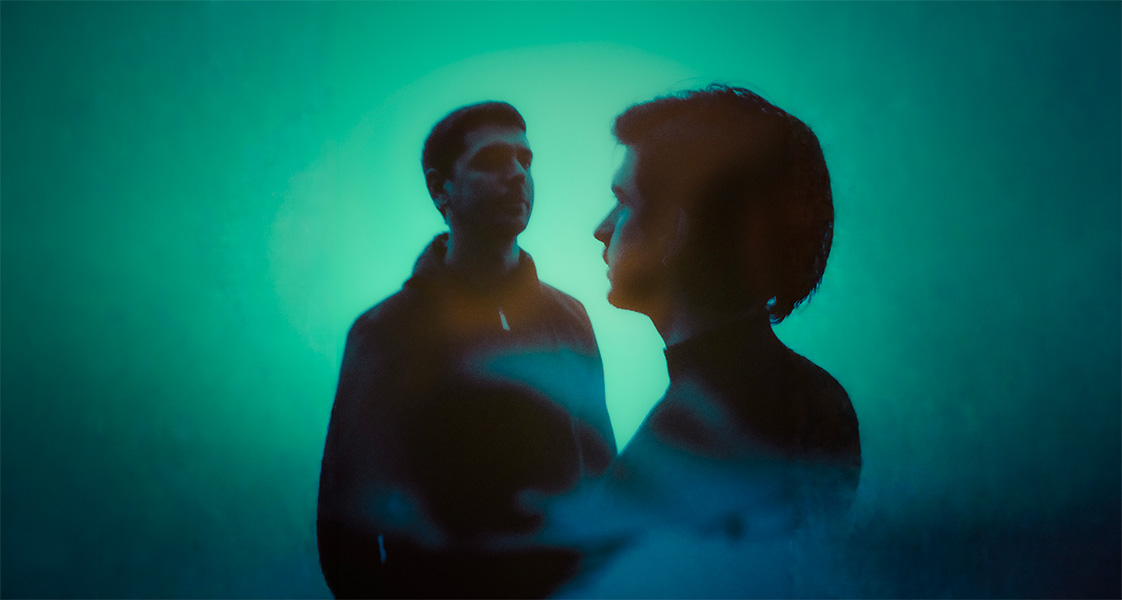
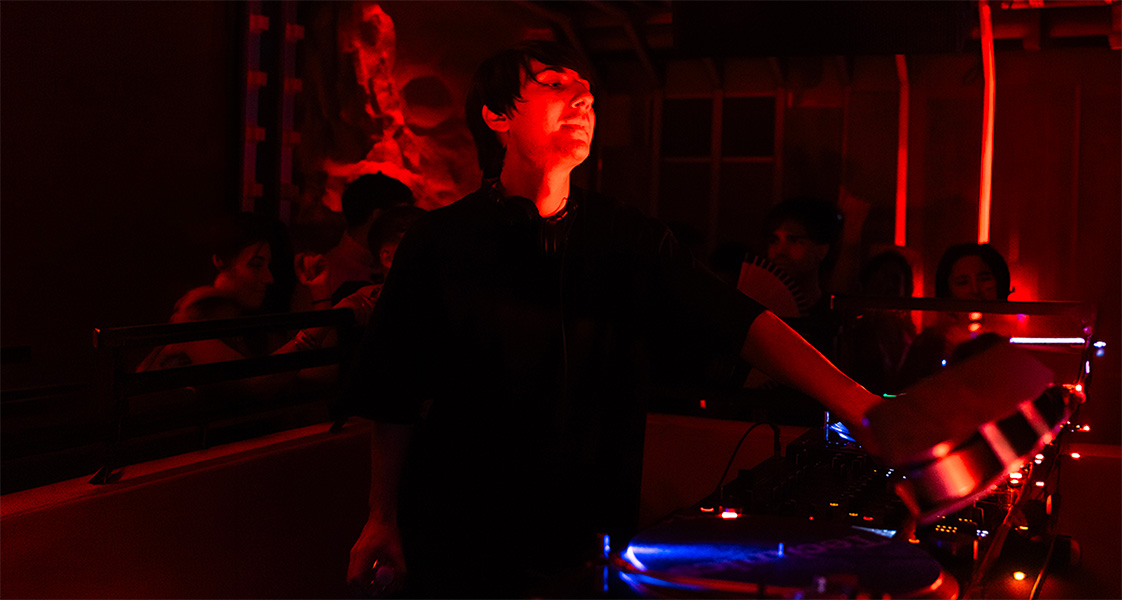

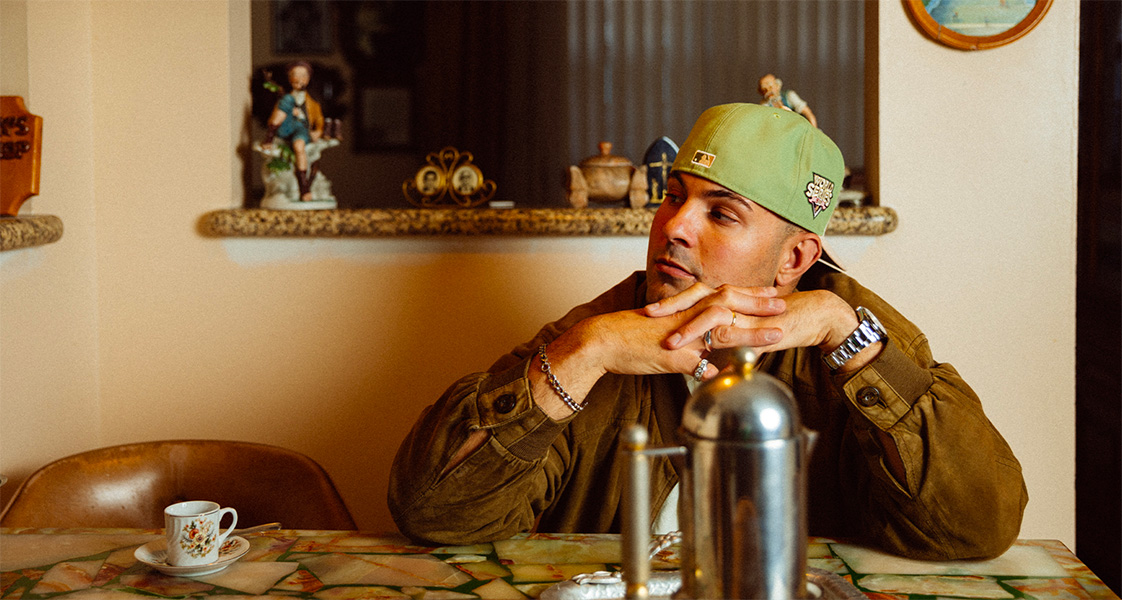
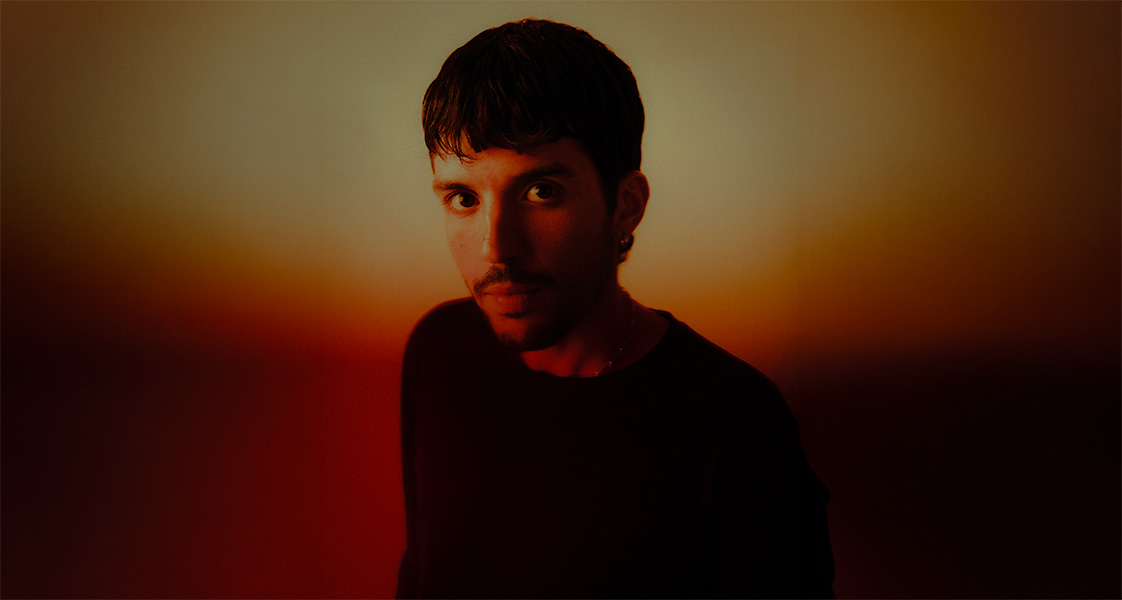
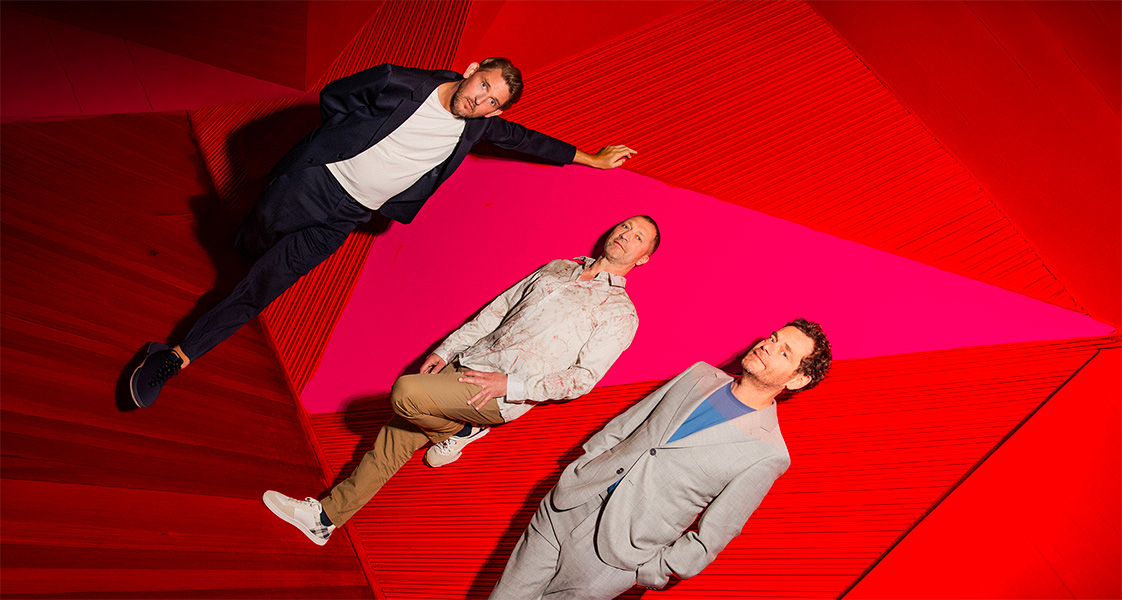
Stepping into the wider electronic music landscape with a sound that feels both deeply personal and expansively cinematic, C.ling mark a striking debut on Oathcreations with ‘Vault With Holes.’ The Franco duo, lifelong friends Paul Brunet and Alexandre Maillet, craft a rich and immersive sonic language that blends IDM, experimental electronics, and breaks with classical sensibilities and tactile instrumentation.
Emerging from Bordeaux but shaped across Paris and Brussels, their music reflects a journey of exploration, both geographical and emotional. On ‘Vault With Holes,’ memory becomes a central thread, weaving through shifting textures, polyrhythmic structures, and evocative sound design. Each track unfolds like a chapter, moving between ambient introspection and club-rooted energy, inviting listeners into a fluid, ever-evolving world.
As a debut, it is a bold and deeply considered statement, one that not only introduces C.ling but hints at a much broader artistic vision still to come.
We caught up with the duo to discuss their debut release, creating as friends, pacing the record between genres, and more!
WWD: This is your debut release as C.ling. How does it feel to finally introduce this project to the world, and what does this moment represent for you both personally and creatively?
We’re really excited and thrilled to finally put this out. Big thanks to Kubilay from Oath for trusting us and releasing the EP alongside artists we really admire. It also feels right to land on a label that shares our vision of electronic music, something that can exist both in the club and in more introspective spaces. For us it marks the start of a momentum, with more things to come soon.
‘Vault With Holes’ revolves around themes of memory and remembrance. What sparked this concept, and how did it guide your decisions across the EP?
We’ve been drawn to the idea of memory, especially how it shifts over time and turns into something different. It can create new images, new meanings. There’s a whole emotional spectrum in that, from melancholic thoughts to that feeling of trying to grasp something that’s fading. We tried to translate the idea by reshaping instruments like guitar or violin, making them more blurred, more distant. The EP moves through different states of memory, sometimes meditative, sometimes more intense and club-driven.
WWD: You both come from Bordeaux but developed your sound through wider European influences. How did stepping outside your local scene shape the identity of C.ling?
Europe gives you access to a lot of different scenes. Cities like London, Barcelona, Amsterdam or Berlin exposed us to other sounds and other ways of experiencing music, especially around live formats. We also met a lot of people along the way. Some venues really push more niche or experimental directions, which opened up our perception of what electronic music can be. Festivals like Mutek, Mira or Atonal had also a strong impact on us in that sense.
Your music blends classical instrumentation with advanced sound design and electronic structures. How do you approach balancing these organic and digital elements in your process?
We don’t really separate things. A field recording made on the spot can be as important as recording a violin. We already had a background with instruments like violin, guitar or piano before this project, and we just bring that into an electronic context. It helps us keep something organic in the music, which matters a lot to us. Beyond that, it’s really about exploring and not setting limits.
WWD: The EP moves fluidly between ambient, IDM, and more club oriented moments. Do you think of your music as belonging to a scene, or are you intentionally resisting genre boundaries?
We don’t really want to lock ourselves into genres. Artists like Simo Cell, Call Super or DJRUM manage to build strong identities without sticking to one lane, and that’s inspiring to us. It feels like more people are open now to artists moving across different territories. Having a rich universe matters more than fitting into a category. At the same time, we still try to keep some coherence across everything we do, which isn’t always easy.
WWD: Tracks like ‘Divx’ and ‘Mutualism’ feel rhythmically driven, while ‘Ywhw’ leans into stillness and meditation. How do you decide the emotional pacing of a record like this?
We wanted to give a first glimpse of our world, what we’re most sensitive to. We’ve spent a lot of time in club environments and we love working with rhythm, but more introspective music is just as present in our daily lives. So it felt natural to build something that can move between those spaces and also exist outside the club.
WWD: There is a strong sense of narrative across the EP, almost like chapters unfolding. Was storytelling something you consciously built into the structure?
Not really in a fully conscious way. We set some loose frames and work inside them, then take a step back and try to see how everything connects. Reusing sounds and instruments across tracks helps create links. There is a form of storytelling, but it’s not something we plan from the start, it kind of emerges as we go.
WWD: Your sound design feels very tactile and detailed, incorporating field recordings, strings, and guitars. Can you talk about a moment in the EP where experimentation led you somewhere unexpected?
Trying to finalise Stranded Matter, we felt like something melodic was missing in a few parts, but we couldn’t quite figure out what. We tried a lot of things, but it never fully worked. In the end, we went back through our field recordings and found an old take of a melody our friend’s car used to make when he turned the ignition. We had a running joke about that super simple melody back then because it would just stick in our heads for hours. After working on it a bit, it ended up becoming the element the track needed.
WWD: As a duo who have been friends for a long time, how does your dynamic influence the creative process? Do you have clearly defined roles, or is it more fluid?
Knowing each other for a long time makes things easier. We didn’t always make music together, we had separate projects, but we eventually met in this space where our approaches complement each other. Paul comes more from experimental electronic music, and I come from violin and guitar. We got into sound synthesis together almost like a game, and now we can spend hours working, picking up each other’s ideas or starting new ones without overthinking it.
WWD: As this is your first release, what do you hope listeners take away from ‘Vault With Holes,’ and how do you see the C.ling project evolving from here?
We hope people will come back to the EP over time. We try to make music that can sit outside of trends and hopefully not disposable. If it can speak both to casual listeners and to artists, that’s already a lot. Some tracks aren’t made for the club, but with all the different listening contexts today, we can imagine them living in radio shows or more ambient sets as well. We’re already working on what’s next, pushing both the rhythmic side and the more diffuse, atmospheric one. We just came back from a residency in the Belgian Ardennes, its vast expanses of forest and its tranquillity inspired us quite a lot, and we’d like to share a new project with labels before summer. Who knows, maybe you’ll hear from us again before the end of the year?
WWD: We hope to! Thanks for the chat 🙂
Thank You When We Dip!
‘Vault With Holes’ is available here.