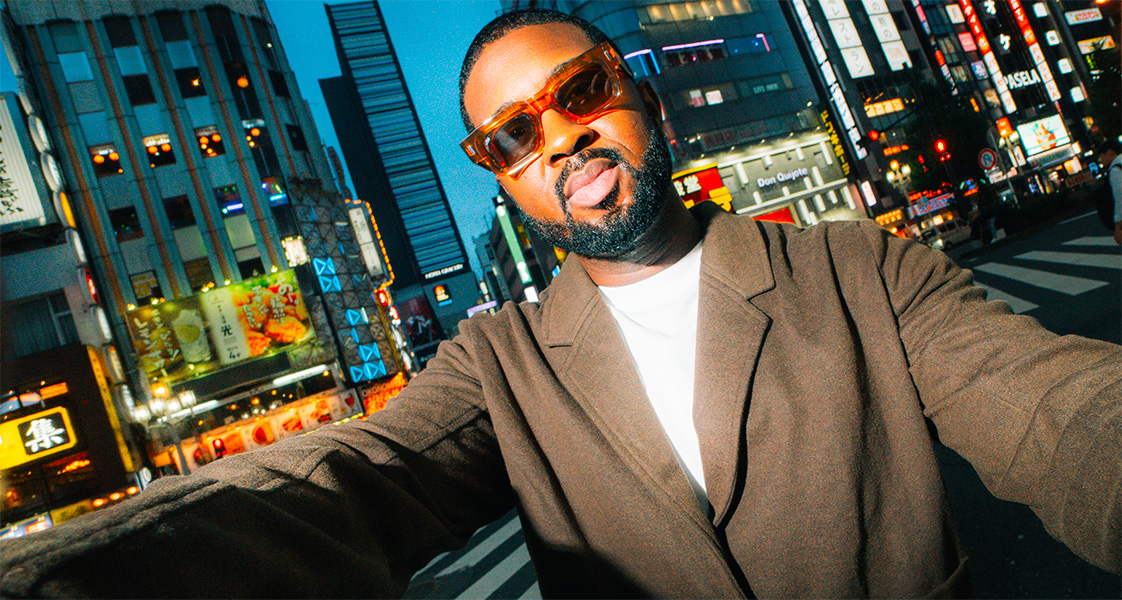
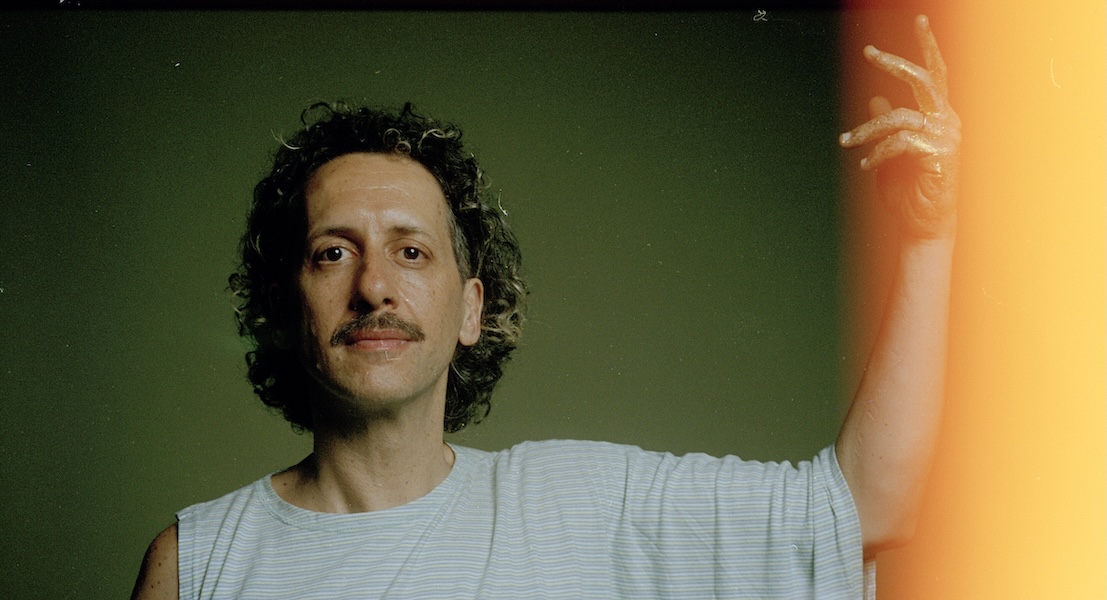
Mike Nasty has spent over a decade and a half shaping dancefloors in New York and beyond. As a DJ, producer, label head and event curator, he has built a reputation for versatility, moving effortlessly between house, hip hop and R&B while maintaining a deep connection to the roots of club culture. Whether he is behind the decks, in the studio or building community through his events, Mike’s approach has always been about energy, authenticity and creating moments that bring people together.
His latest release, ‘To Life,’ out via his own imprint Nasty Tracks, taps into that ethos. The record draws on the spirit of classic 90’s house, driven by hypnotic rhythms and a sense of pure dancefloor release. More than just a track, it stands as a statement about celebration, presence and the communal power of music.
We caught up with Mike to talk about the inspiration behind the record, the evolution of his sound, the state of the New York scene and how he balances life as both an artist and a business mind behind the culture.
WWD: Your new single ‘To Life’ feels like a celebration on the dancefloor. What was the moment or feeling that sparked the idea for the track?
It was winter time in New York City back at the end of 2025, where I was in a transitional phase in my life. As I got ready to move to a new home, I felt a spirit of gratitude and love for everything that was coming into my life. In the midst of my reflection, I managed to find the time to create such a wonderful track.
WWD: This release leans into a more 90’s house influence compared to some of your previous jazzy house work. What inspired that stylistic switch up?
I listen to so many styles of house music, that it was only a matter of time before I ventured off into other sounds in the genre. It’s fun to challenge yourself and step outside of the norm. I’ve never felt like I needed to stick to one thing or get put into a box.
WWD: The record has a very hypnotic, repetitive energy that feels built for late-night dancefloors. When you were producing it, were you imagining a specific room or moment in a party?
While making the track, I definitely envisioned the record for larger stages. That’s what made the vocals in the track connect for me. That was literally the final touch to execute my vision for the song. The entire beat was made for some time but I knew it wouldn’t have made it off of my harddrive without the added vocal message.
WWD: You’ve been DJing for over 16 years and move comfortably between house, hip-hop and R&B. How do you approach a set when you have that many musical lanes to pull from?
I feel like I prepare for house music sets the most honestly with a certain level of care. With hip-hop and R&B sets, DJs tend to play the mega hits that New York City crowds want to hear but with dance music I take deeper dives into the genre. House fans want to hear those hidden gems that they have to Shazaam or beg for track IDs later in reddit forums.
WWD: You’re also behind event concepts in NYC. What’s your vision for the kind of experiences you want to create with your parties and series?
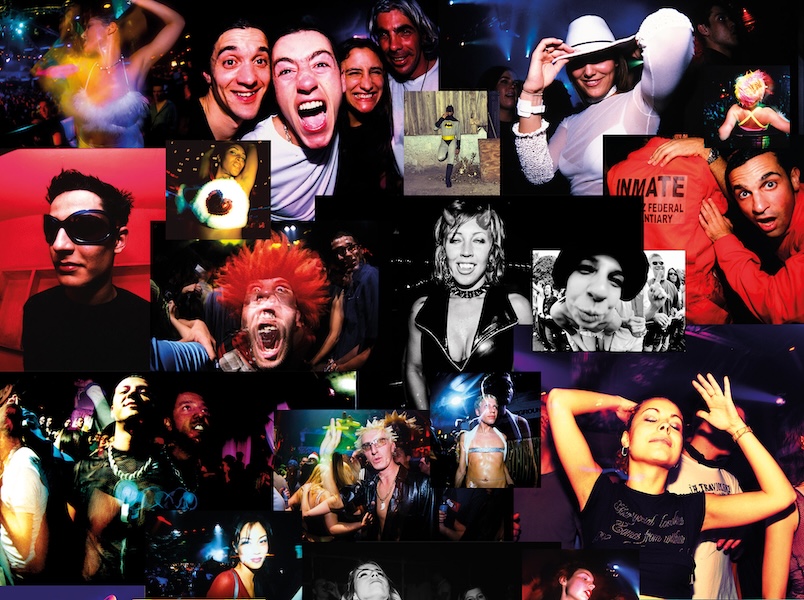
I usually take a nostalgic approach with event curation. That’s why all of my flyers have that 80s/90s hip-hop and rave artwork influence. It creates an aura around each event that generates an atmosphere people don’t mind dancing and letting loose in. To throw successful events, you have to understand your customer and their thought process. I always put myself in the party-goers’ shoes.
WWD: New York has such a deep house legacy. From your perspective right now, what’s the current state of the NYC dance scene?
In my opinion, it can be clout/numbers driven and very much a buddy system at higher levels but there is still a true underground essence bubbling here. It’s just few and far in between. Tech house reigns supreme right now in the city. The deeper, soulful sounds don’t get as much love but there are quality promoters and DJs still upholding those scenes. I think the city needs a big reset and a lot more venues for artists to grow out of.
WWD: You’ve shared stages with legends like Roger Sanchez, Todd Terry and Todd Edwards. What’s something you’ve learned from being around artists from that era?
Witnessing those guys behind the booth has shown me that there is a ton of longevity in dance music unlike other genres, and that you can stumble upon your big break at any moment. I have a big level of respect for Todd Edwards. He actually reaches out to me from time to time sharing his new promos. Just to have that line of communication open to a legend means a lot to me. It’s very humbling.
WWD: Running a label and curating events while also producing and DJing is a lot of hats to wear. How do you balance the creative side with the business side of being an artist today?
I can’t lie, sometimes the artistry suffers because of how demanding curating events can be. The events are huge money makers and you don’t always get an immediate return from the music side of things. For this reason, I take 3 months off from events at the end of each year to focus on travel, making new albums/EPs and getting inspiration in different ways.
WWD: Who are a few artists or producers right now that you think people should be paying more attention to?
Chaos in the CBD are my favorite guys out right now and it’s been that way for some years. Their latest album “A Deeper Life” will be a classic some time from now. It’s the perfect balance of deep house, jazz, hip hop, etc. I’m also feeling releases from Cody Currie.
WWD: Random one: imagine it’s 4AM, the room is locked in, and you can drop one unexpected track outside of house that still destroys the dancefloor — what are you playing?
I’m instantly dropping “Funkin’ for Jamaica” by Tom Browne. That’s a New York City classic. That’s an OG party record right there. Real funk and jazz.
WWD: Great choice! Thanks for the chat 🙂
Thanks!
‘To Life’ is available here.