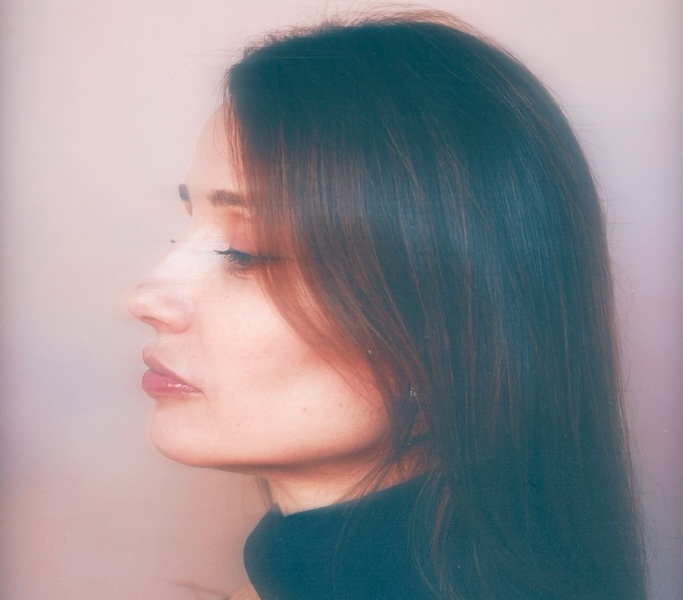

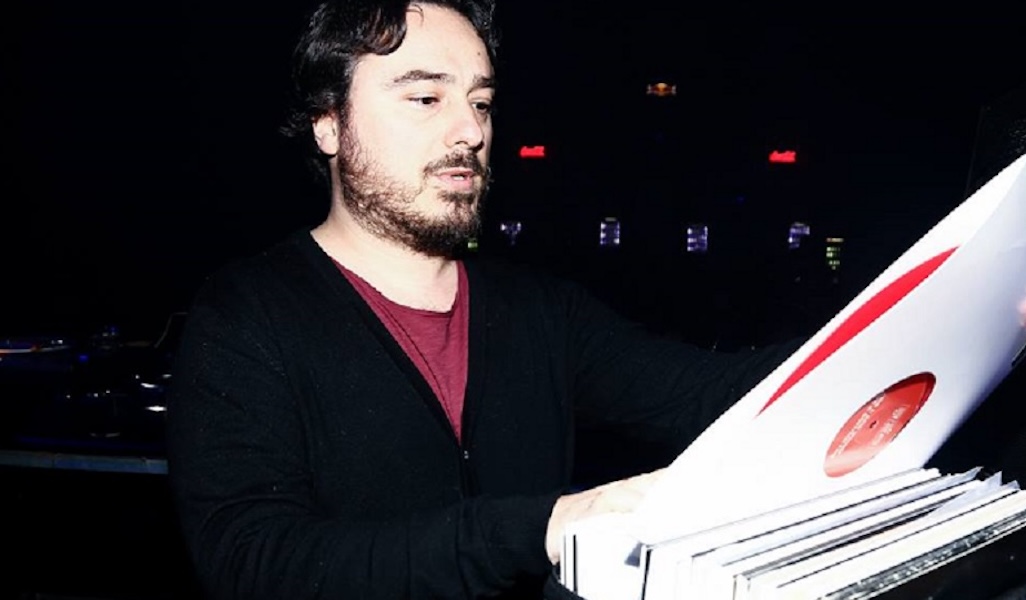
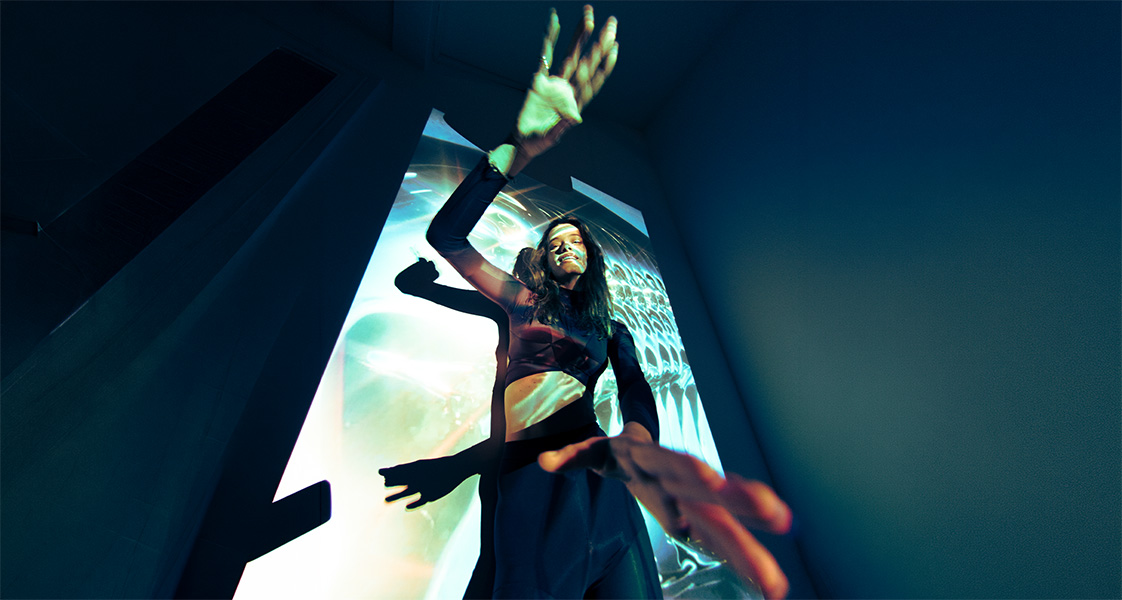
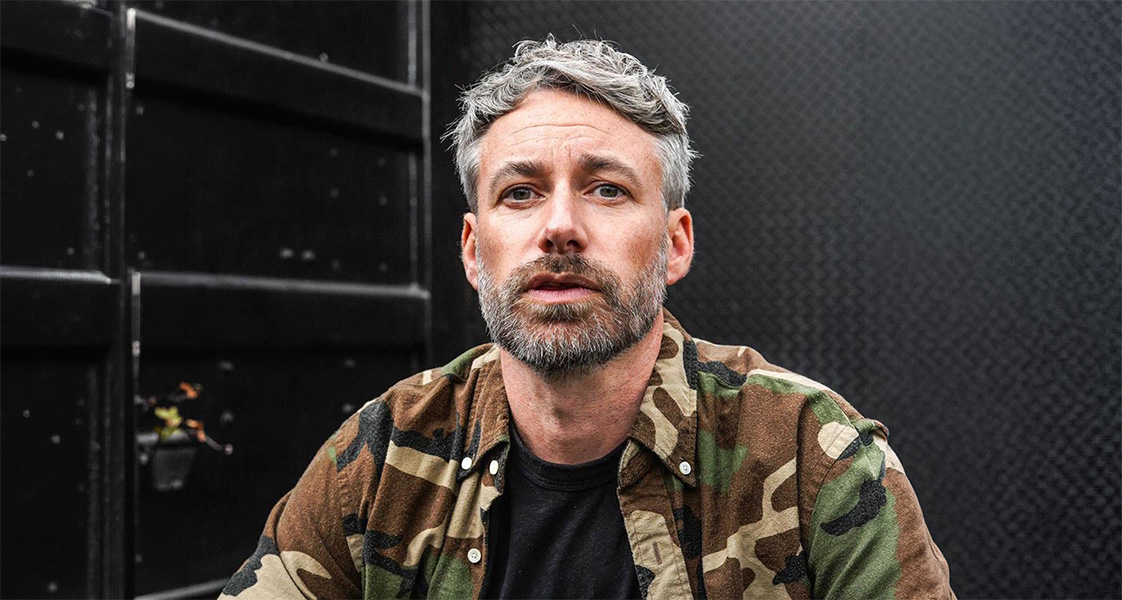
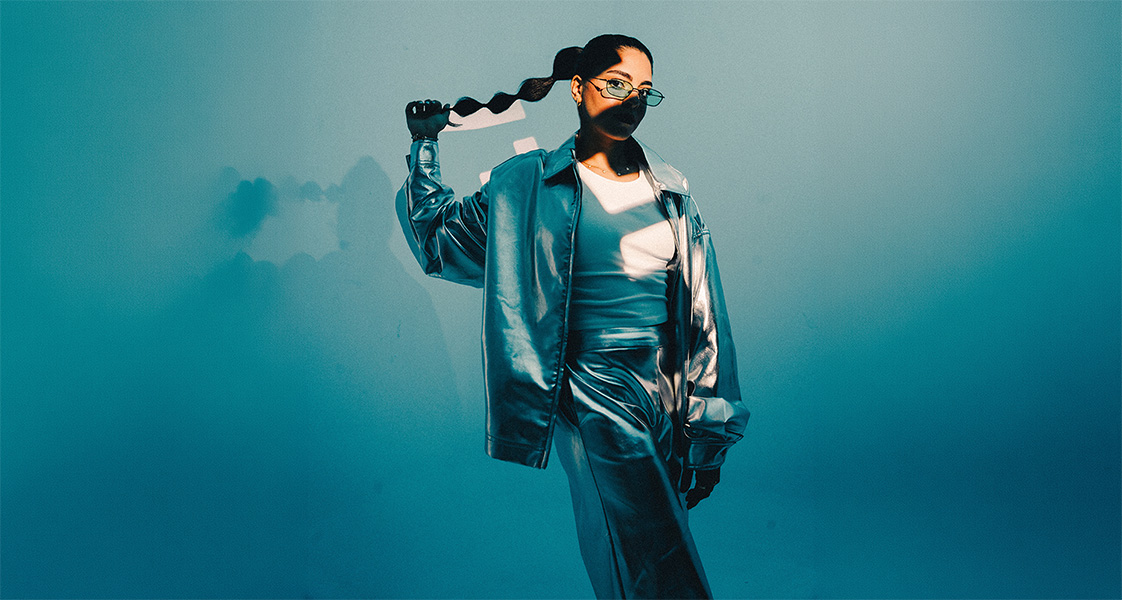
For more than three decades, Lea Lisa has moved through house music with a sense of intention that feels both rare and unwavering. Her story is not built on trends or visibility but on nights spent digging, listening, learning and trusting the emotional weight of the dancefloor. As she steps into the second volume of ‘Many Shades Of House,’ her vision remains clear: honour the past, champion the present and protect the culture that shaped her. This conversation traces the experiences, memories, and values that continue to guide her path.
WWD: Your journey began in the mid 90s, shaped by digging and long nights. When you look back at that period, what do you feel it taught you about house music that still guides you today?
I have come to understand what true passion is. Even after more than 30 years, I am still surprised by certain moments in my life, whether through musical discoveries or moments behind the decks. I have never been bored and that is what has allowed me to never stray from my path.
WWD: You often speak about intention and flow in your sets. How do you prepare for a night while still leaving space for the dancefloor to shape the story with you?
I don’t prepare anything. I just put my latest vinyl purchases from my bag into my turntable, and then it is all about chemistry. I always try to arrive an hour or two early to soak up the energy of the venue and the crowd.
WWD: Movement in your sets is both physical and emotional. What does emotional movement mean to you in the context of a club or festival environment?
It is about using my records to create different emotions throughout my set. Who wants to listen to two or three hours of nonstop peak time music. Instead, building the set step by step to reach the climax, that is what is interesting.
WWD: Across Phonica, Wolf Music, Inner Balance and Smallville, your releases trace a clear evolution. What do you feel has changed most in your sound and what has stayed exactly the same?
I think I am quite similar to the spirit of my compilations. I love house music for the diversity of styles it can encompass. What never changes though is my intention. I only release a record if I genuinely feel it has real artistic value. For me it is a matter of respect for the music and for what I want to stand for as an artist. I am not interested in producing just for the sake of producing or releasing music simply to stay visible or further my career.
WWD: ‘Many Shades Of House’ has become a defining project for you. What was the emotional or curatorial thread that shaped Vol. 2, and how does it differ from the first volume?
This second volume naturally moved towards a deeper and more shadowy side of house music. I wanted to include producers whose work has always felt very distinctive to me, people with a strong identity who have never really followed trends or softened their approach. I also think it is necessary to include contemporary tracks. There are some really interesting artists out there and it is important to build a bridge between the past and the present.
WWD: You have described each track on the compilation as carrying a story, nights, connections, quiet influences. Can you share one record from Vol. 2 that holds a particularly personal memory?
My eldest daughter Nahomi has been a DJ for a few years now. It is very moving to see her forging her own path yet with a few points in common with me. Ian Pooleys Flatlet reminds me of a night out when my daughter played it at 5 am. Move D was there and his smile was infectious as we all enjoyed the moment together. This track is a little dream you never want to wake up from.
WWD: Bliss is more than a party, it is a cultural space. What do you feel is missing from club culture today, and how does Bliss aim to fill that gap?
What interests me most is booking up and coming artists. I think you can fill clubs without just stringing together the same headliners you see everywhere. It takes a bit of curiosity and I am trying to bring a different perspective, one that is not based on the number of followers or visibility. Sometimes the quality and visibility are there, but my aim is the atmosphere of the night, not the names or the fame.
WWD: Your presence at clubs like Bassiani, Heidegluhen and DC10 reflects continuity rather than hype. What does longevity in club culture mean to you, and how do you protect it?
I make no compromises. I champion the idea that it is not necessary to be constantly chasing visibility on social media. I am not a puppet and I could not care less about today’s system. Nowadays the vast majority of young people equate popularity with success. That is why DJs have to be community managers or marketing specialists. Is that really the root of our culture? Creating formulaic content in my view is the exact opposite. I am not sure humanity will remember that. Art is not a product.
WWD: House music has always been a generational bridge. How do you approach weaving together eras, textures and histories in a way that feels both respectful and forward moving?
My job as a DJ is not to get stuck in one era. I see a new generation stuck in the 90s who are not interested in what is happening today. There are producers doing some remarkable work. I would be utterly bored if I were playing the records I was already playing 25 years ago. I think there is enough material out there to keep bridging the gap.
WWD: With ‘Many Shades Of House Vol. 2’ arriving soon, what do you hope listeners feel when they experience this new chapter, whether on a dancefloor or alone at home?
To discover another side to house music and perhaps through this sort of compilation to spark the listeners curiosity even further.
WWD: Thanks for the chat 🙂
‘Many Shades Of House Vol.2’ is available here