
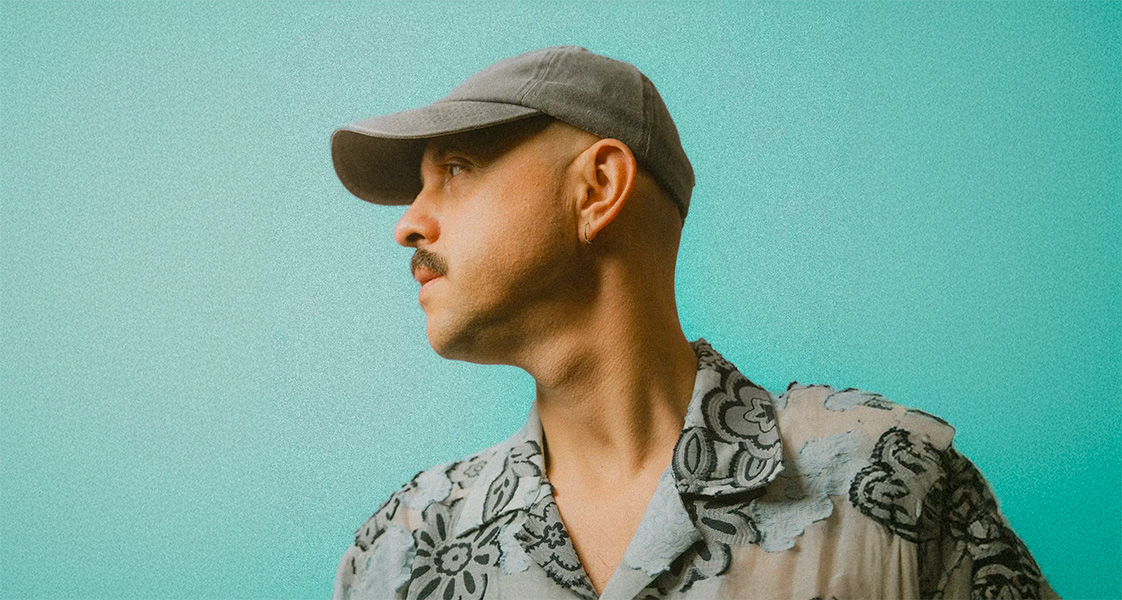

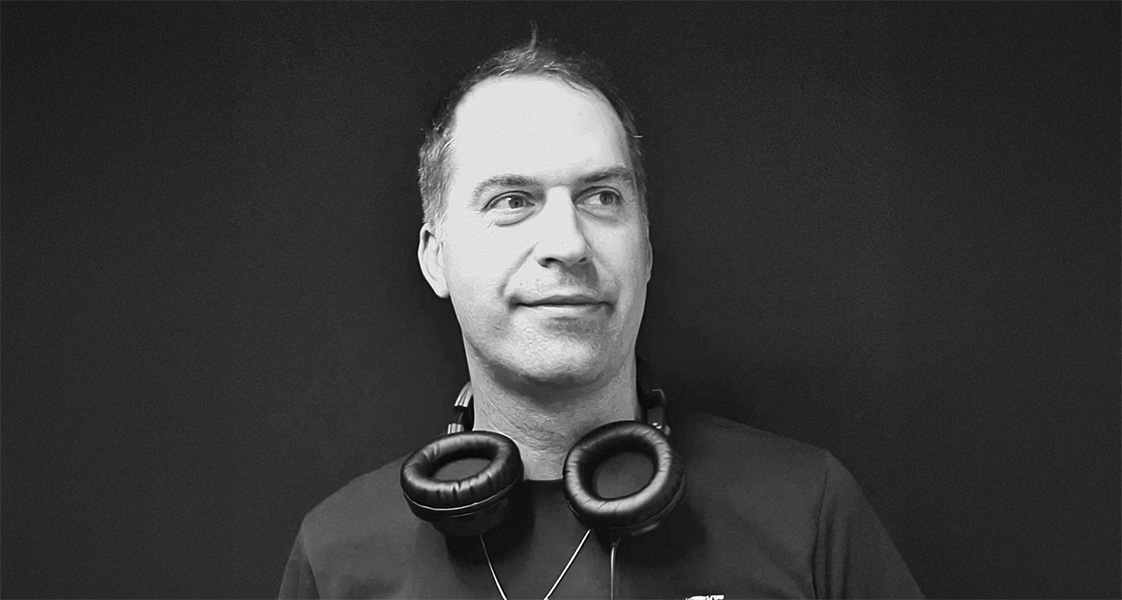
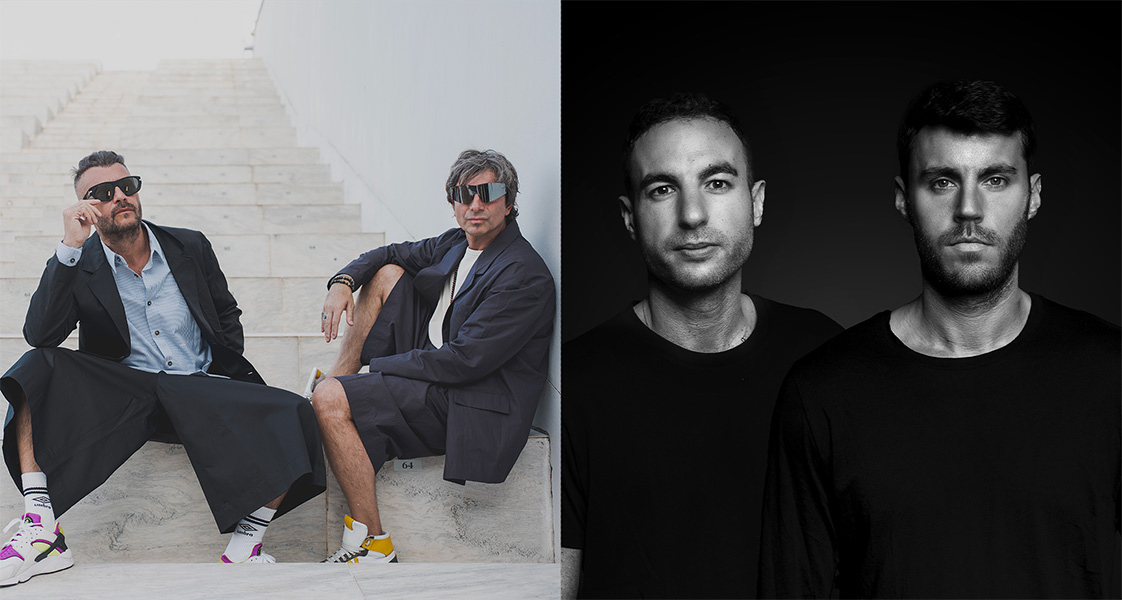
Domenic Williams is the founder of label Miles Away Records. His industry experience is wide – he’s worked his way up through the ranks at UK label Acid Jazz, to the BBC, and onto developing his own discerning reissue label. We sat down with Dom to get some insight into this thing we call the music industry. He shares his thoughts on virality as a strategy, biggest lessons learned, giving critical feedback, and more!
WWD: What initially drew you to the music industry and working at a record label?
Ever since I can remember, I’ve wanted to work in music. I realised quite early—around 14 or 15—that I wasn’t talented enough to become a musician, but I was completely fascinated by music itself. That fascination turned into a desire to work at a label and eventually to start my own.
WWD: What was the label you worked at that you taught you the most?
All the labels I’ve worked at taught me something valuable, but Acid Jazz stands above the rest. It was the first label I worked for, and it gave me a grounding in what the music industry is really like— in a positive way. It showed me the importance of persistence, hard work, and creativity when budgets are small. It’s also the place that helped me start Miles Away, and I’ll always be grateful for that.
WWD: What was the most valuable lesson you gained there?
How to make something great on a very small budget.
WWD: How has this helped you in your career today?
I think about this often. If I’d started at a major, where there’s more money and big artists, I don’t think I’d have learned the same DIY approach. That mindset—being resourceful, building community, treating people’s art with respect—has shaped everything I do at Miles Away. It’s vital for any independent label.
WWD: If you didn’t work in the music industry, what would you do instead?
When I was growing up, I also wanted to be an architect. My weaknesses in maths and physics pretty much ended that dream! But I imagine I would have ended up doing something practical in that world— designing, building, creating.
WWD: What’s the best piece of advice you’ve ever received in your musical career?
A recent one: be the biggest advocate for your own record.
It all starts with you. If you’re not shouting from the rooftops about your release, you can’t expect anyone else to. It sounds obvious, but I spent years being a bit shy about our records. It finally clicked.
WWD: How do you handle the pressure and demands of the music industry while maintaining your well-being?
Honestly… not brilliantly, but I’ve improved. I’m stuck in a cycle of being overwhelmed— juggling projects, DJing, personal life—then deciding to slow down, then feeling like I’m not doing enough and loading myself up again. Over the years I’ve gotten better at recognising when I’m at capacity, but it’s very much an ongoing process.
WWD: Can you share a defining moment in your career that had a significant impact on your success?
One defining moment was when we released our debut label compilation called ‘Miles Away: One.’ The response to it has been amazing. It validated everything— the digging, the licensing, the restoration, the sleepless nights. It made me realise that there was a real audience for what we were doing and that community is everything. It gave me the confidence to push the label further and try new things.
WWD: You work on a ton of quality reissues. How important do you think an artist’s image—both physical and online— is to being successful in 2025?
It’s incredibly important. Even for legacy acts, image and identity are part of how people engage with music now. The boundaries between old and new music are no longer a thing. The story behind the artist, the visual world around the record, the digital presence— whether that’s social media, artwork, photography, or interviews— all of it feeds into how discovery happens. For new artists, it’s essential. For reissues, it helps frame why the music still matters.
WWD: You must hear a lot of music that people send in. How do you handle the delicate process of giving creative feedback?
With honesty and respect. I know how vulnerable it can feel sending your music to someone. If I like something but think it needs work, I try to explain why and offer something constructive. If it’s not right for us, I make sure the feedback isn’t dismissive. Most people are grateful for clarity, even if it’s not the answer they hoped for.
WWD: What common misconceptions do artists have about releasing music today?
A big one is the idea that releasing music automatically leads to discovery. The truth is: releasing a record is just the beginning. You need to market it, build community, show up online, tell your story, and be consistent. Another misconception is that virality is a strategy—it’s not. It’s luck. Sustainable growth comes from long-term work. Physically getting out there and building connections. Going up to someone you respect and giving them a copy of your record. That’s where it all happens.
WWD: How important is it for artists to take a stance on social or political issues?
It’s personal. Some artists feel compelled to speak on issues and do it authentically—that’s powerful. Others don’t feel comfortable or don’t want to mix politics and art. I don’t think anyone should feel pressured either way. Authenticity matters more than taking a stance for the sake of it.
WWD: What’s your take on behind-the-scenes content for building a fanbase?
Essential for us. I’ve found that people want to see the process—how records are made, who the people behind the label are, how releases come together, even the day-to-day realities. Behind-the-scenes content builds intimacy and trust. It makes fans feel like part of the journey rather than passive consumers. But it depends on how you want to be seen. For some, giving people that BTS look can be exposing and uncomfortable.
WWD: Do you believe the rise of vinyl is a passing trend or a permanent shift?
I think it’s here to stay. There may be peaks and dips, but vinyl now sits in a cultural space that isn’t going away. It’s collectable, tangible, and meaningful—everything digital isn’t. For many listeners, vinyl isn’t just a format; it’s a relationship with music.
WWD: Do you believe there’s a resurgence of interest in concept albums?
Yes and no. Streaming culture favours singles, but at the same time, dedicated listeners love immersive projects. I think concept albums will always exist, but they’ll be more niche— something artists do to make a statement rather than to chase numbers. Fans who connect with them connect deeply. I’ll always put on an album over a single if I’ve listening to music on my commute or whilst working.
WWD: What advice would you give to someone starting a label today?
Start small. Find your niche. Build community first. Don’t expect overnight success— consistency is more important than hype. Learn every part of the process: licensing, manufacturing, distribution, marketing, PR. And above all, release music you genuinely love. If you’re not passionate, people can feel it.
WWD: What can we hope to see next from Miles Away?
We’ve already locked in releases for early next year. We’ve got a wicked 7-inch coming by a band called Freedom. We’re also working on Miles Away: Two plus a bunch of other album reissues and compilations. The goal is always simple: keep bringing incredible music back into the world.
WWD: We’ll keep our ears open! Thanks for the chat 🙂
Thanks!
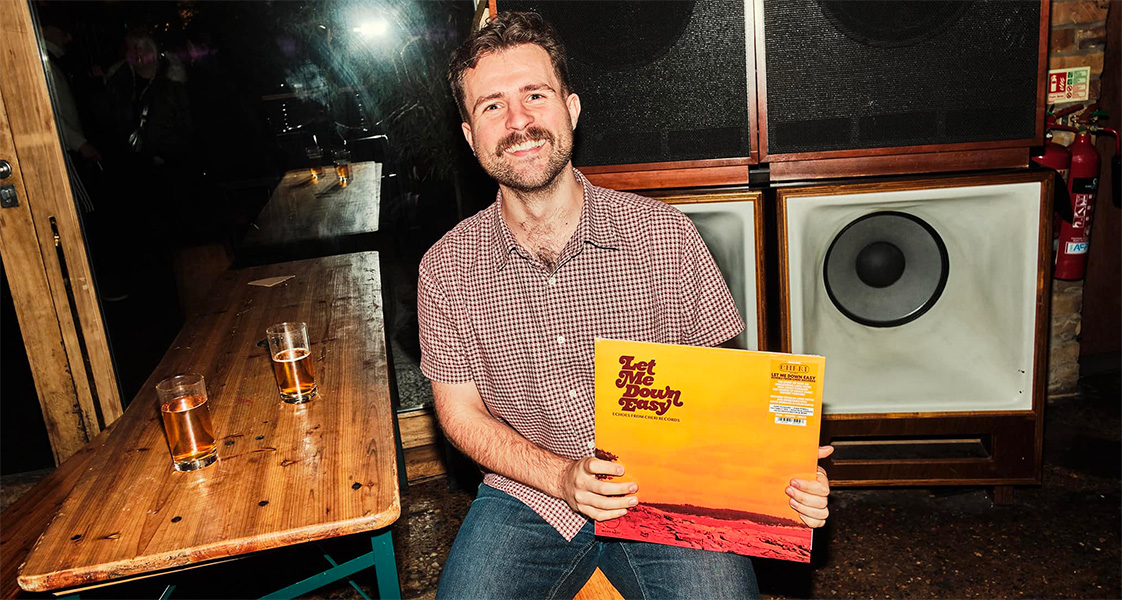
‘Let Me Down Easy’ is available here.