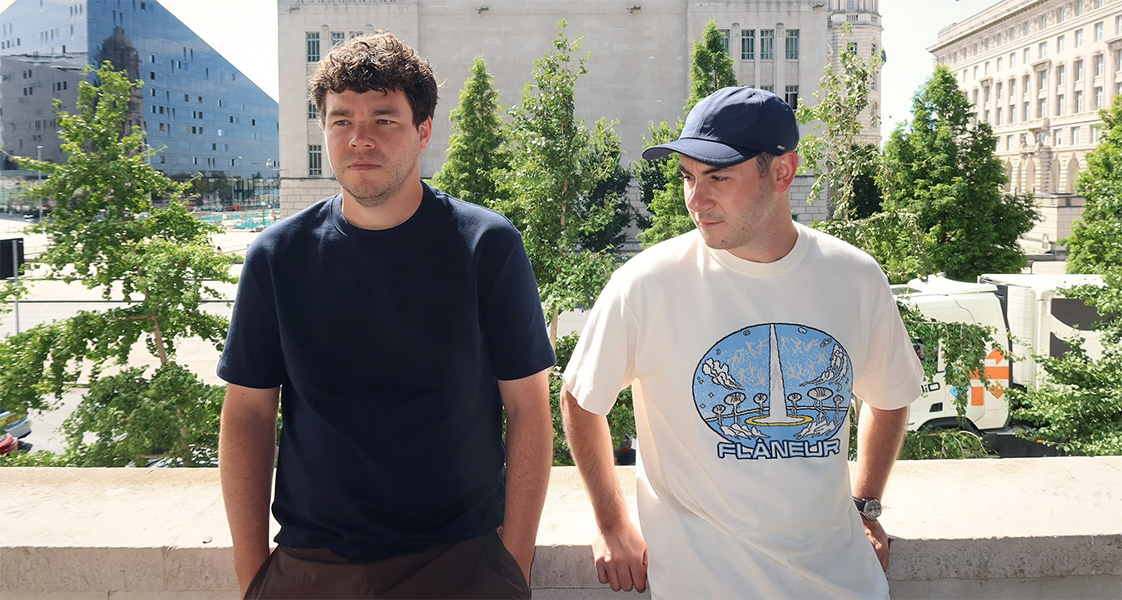
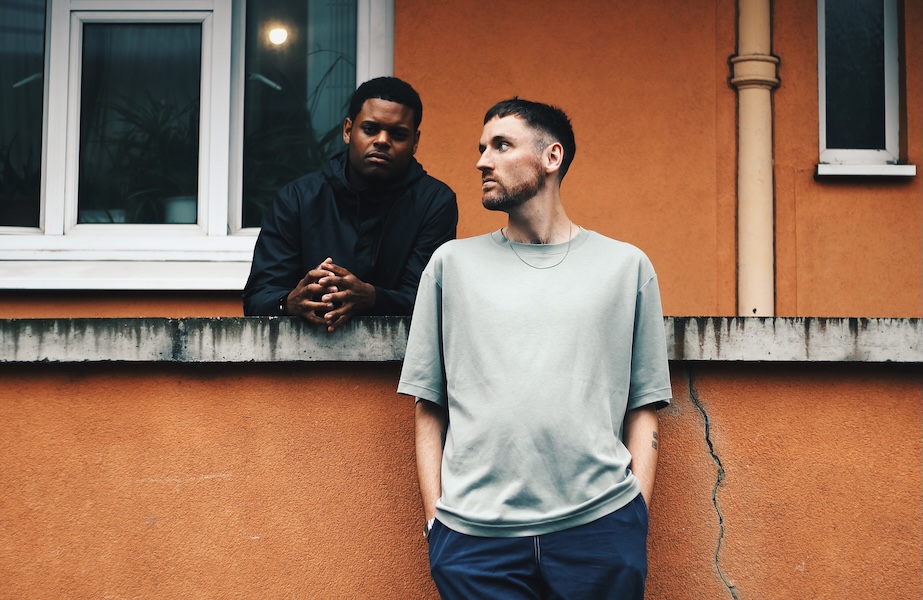
Liverpool has always had a way of producing DJs who play with their chest out, and Matrefakt carry that spirit as well as anyone right now. Tony and Zac grew up on house music at home, caught the tail end of the legendary Cream parties, and have spent close to a decade turning those early nights into a raw, groove heavy analog sound that moves freely between deep, driving house, acid, breaks and techno.
That sound has found a home on some of the most respected imprints around, with three releases on Peggy Gou’s GUDU, plus outings on Mella Dee’s Warehouse Music, Gerd Janson’s Running Back and Pete Tong’s Three Six Zero. In 2019 the pair launched their own label, Attitudes To Life, which has since welcomed Denis Sulta and Dekmantel mainstay San Proper alongside their own records. Support has come from Skream, Marco Carola, Solomun, Laurent Garnier, Radio Slave, Busy P, Anja Schneider, Groove Armada and BBC Radio 1, while sets at Creamfields, Warehouse Project, Fabric, Watergate, Hideout, Snowbombing and Pikes Ibiza have proven that the front foot energy of their productions carries straight into the booth.
Fresh from their single ‘good times’ and its remix package, we caught up with the duo to talk about Liverpool’s club heritage, the shared library they call the ‘Big Computer’, the 90s feel running through the scene right now, and what the next chapter looks like for one of the UK’s most uncompromising underground acts.
WWD: You’re both Liverpool-based, a city with such a deep and distinctive dance music history. What was it about Liverpool’s scene that first pulled you into electronic music?
It probably started before we even realised really, both our parents are big into house music so that’s the type of stuff we grew up listening to. House is definitely the dominant genre in Liverpool because of places like Quadrant Park and Cream in the late 80s and early 90s, with Cream carrying on for many years after that. We were lucky enough to catch the end of the Cream parties and they played a really big part in inspiring us to do what we are doing now.
WWD: How did Matrefakt come together in the first place? Did you immediately feel there was a natural chemistry between you, or did it take some time to work out what the project could become?
We have always got on really well and the first studio session led to another a couple of days later and then another and another until we were virtually together every day working on music. In the end we were listening to a lot of the same music together, being inspired by it and working on collabs until it just made sense to start a new project together and see where it went, as we were basically already doing that anyway just under two separate names. It made track titles look a lot cleaner too!
WWD: There’s obviously a lot of history between you both musically. When you’re DJing together, how do you find that balance between your individual tastes and the sound you want to represent?
We have been working together for nearly a decade now so we are very much aligned on what we like and listen to. Our taste in music has evolved with each other over the years and we constantly share a lot of music with each other when we get to the studio, so by now we pretty much know what we want to play and make. Then we will get together and pick out playlists for upcoming gigs and iron any differences out there before we get to the show. We don’t have individual libraries, everything is just pooled together on an old iMac known as the ‘Big Computer’ haha.
WWD: Your sets move across different shades of house, techno and more leftfield club music. What are the records, labels or scenes that have had the biggest influence on how you play, and are there any sounds you’re particularly drawn to at the moment?
Going back to the days of Cream and first going out, the music then had a lot of energy about it. This was just before the resurgence of deep house in the mid 2010s, so that is always something we want to bring to our productions and shows, that front foot club energy. As for now, the scene in general seems to have a very 90s inspired feel to it whether that be house or garage, which fits perfect for us as we feel our style has a lot of similarities with this era.
WWD: Liverpool has always had a strong culture of DJs, record shops, clubs and independent parties. What do you think makes the city’s dance music community unique today, and are there any newer artists, parties or spaces you think deserve more attention?
There are and have been a lot of good promoters in the city, the credit has to go to them for keeping the scene alive in the current climate which seems to get more and more challenging. There is a big student population in Liverpool too that always encourages new parties or events and some of the more established promoters in the city actually started out as student parties, plus scousers in general love a party anyway so that helps keep the scene alive too. Todd Terry has recently opened a new venue in the city that is doing some really cool stuff, hosting mid week parties and inviting different artists. That seems to be very fresh but also fitting with the culture of the city.
WWD: You’ve started to make more of a name for yourselves now. Has playing to different crowds around the UK and the world changed the way you approach a set, or do you try to keep the identity consistent wherever you play?
It hasn’t changed the way we approach a set, we always try to play what we feel is right for the time and the moment and never try to be too one dimensional. We have definitely learned a thing or two from playing different shows though, it’s more experience than anything because no two situations are ever the same.
WWD: What does a typical studio session or record-buying day actually look like? Are you quite obsessive about digging and preparation, or do your best ideas tend to come from completely unexpected places?
We don’t ever have one set way of working or writing music, inspiration can come from anywhere really, from hearing an old song in a shop to finding a unique sample or lyric from somewhere. A typical day in the studio would usually start with just listening to stuff and talking, discussing new ideas or showing each other new tracks or live sets we have found. Then it’s just a case of getting into whatever is next on the list to be done and trying not to start any new ideas while there is stuff to be finished, which never really goes well and leads to us finding project files from months ago that we had forgotten about and thinking why didn’t that get finished haha. If we are planning for shows then we will be listening a lot more, getting the tracks into rekordbox, looking back over old playlists and just putting playlists together that we think are right for what’s coming up, then going through them on the decks in the studio to get a feel for things.
WWD: Looking ahead, what do you want the next chapter to look like? Are there particular labels, venues or promoters you’d love to find yourselves working with, and what would feel like a meaningful next step for you guys?
Just continuing as we have done since the start really, picking targets like you have mentioned, mainly in a label sense, and just working towards those goals to see where it takes us. There are a lot of venues we haven’t played yet or labels we haven’t released on, hopefully a few of them get ticked off to keep us moving in the right direction.
Matrefakt: Instagram / SoundCloud