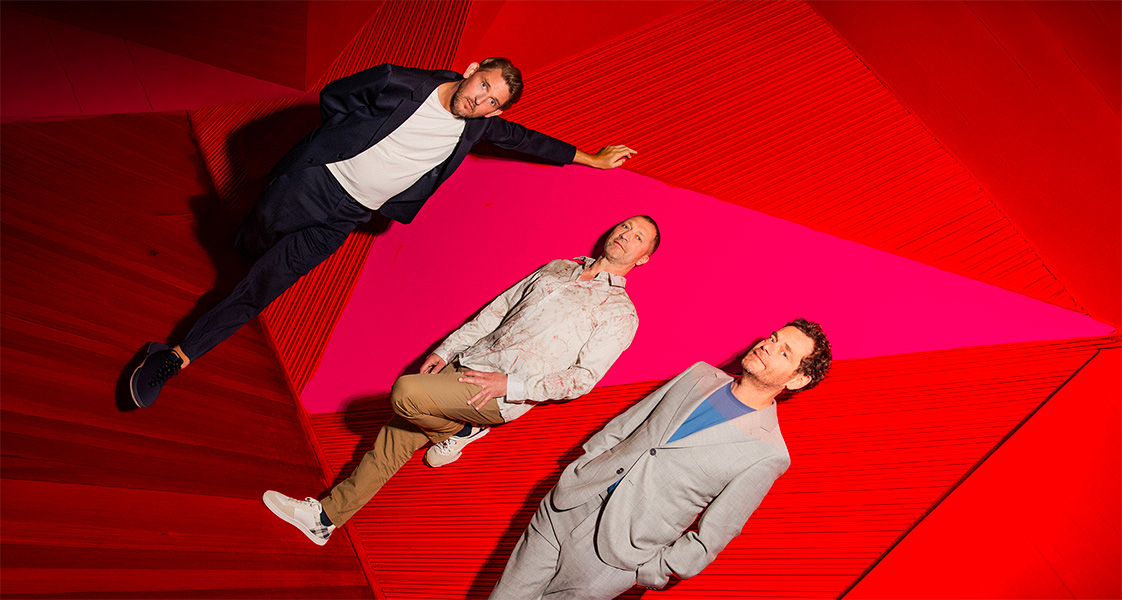

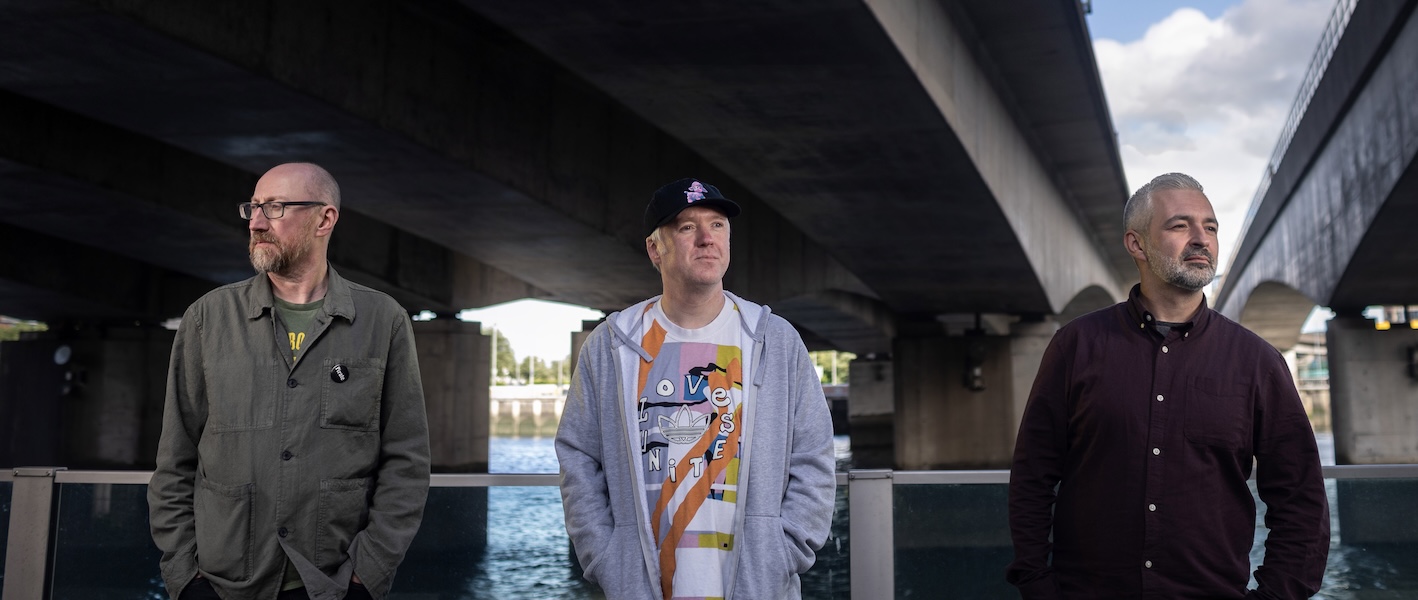
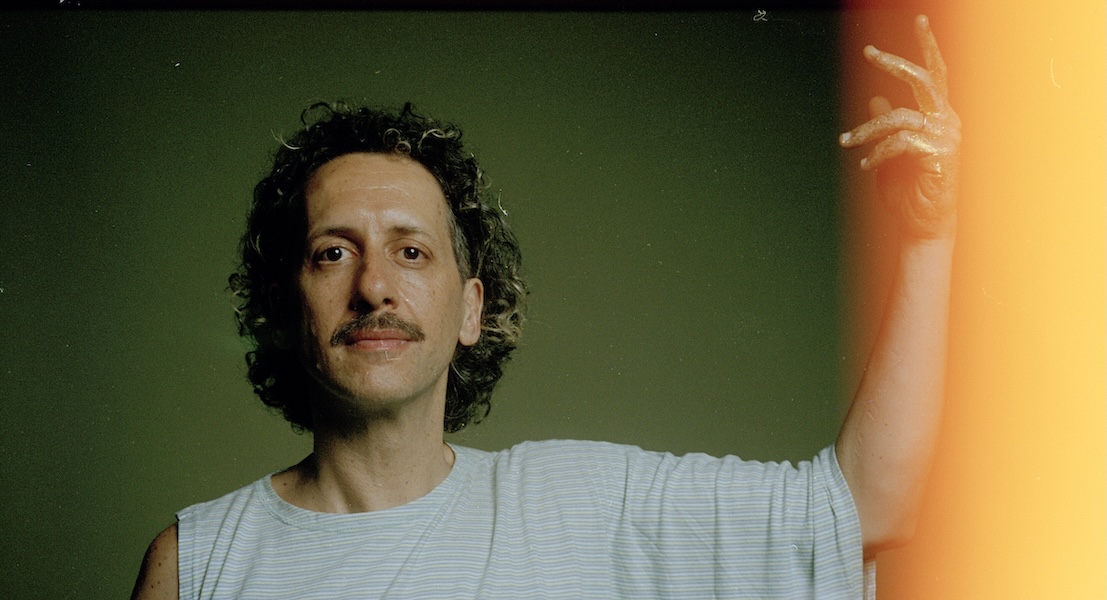
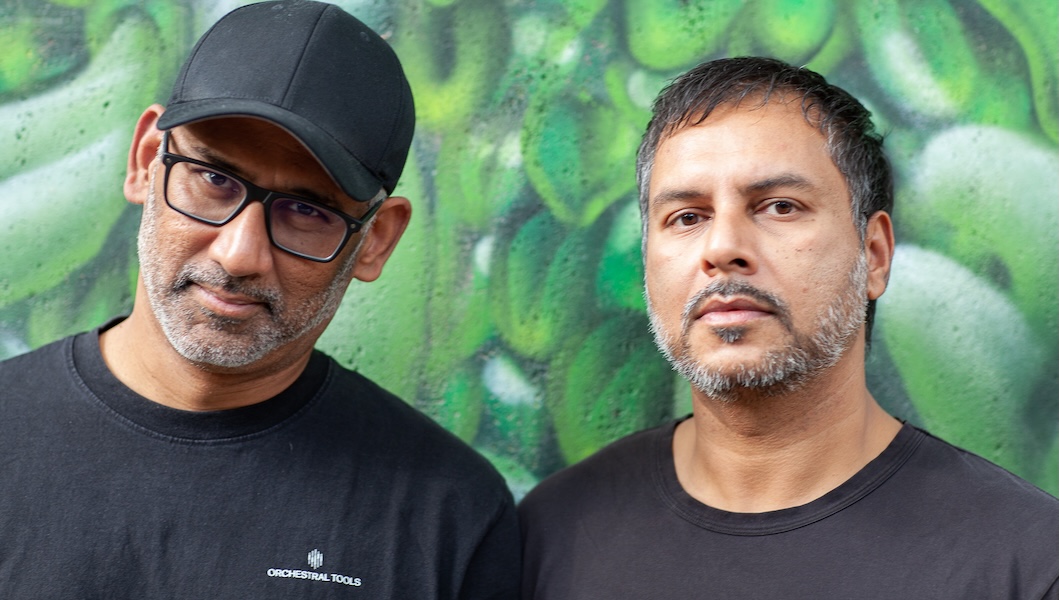
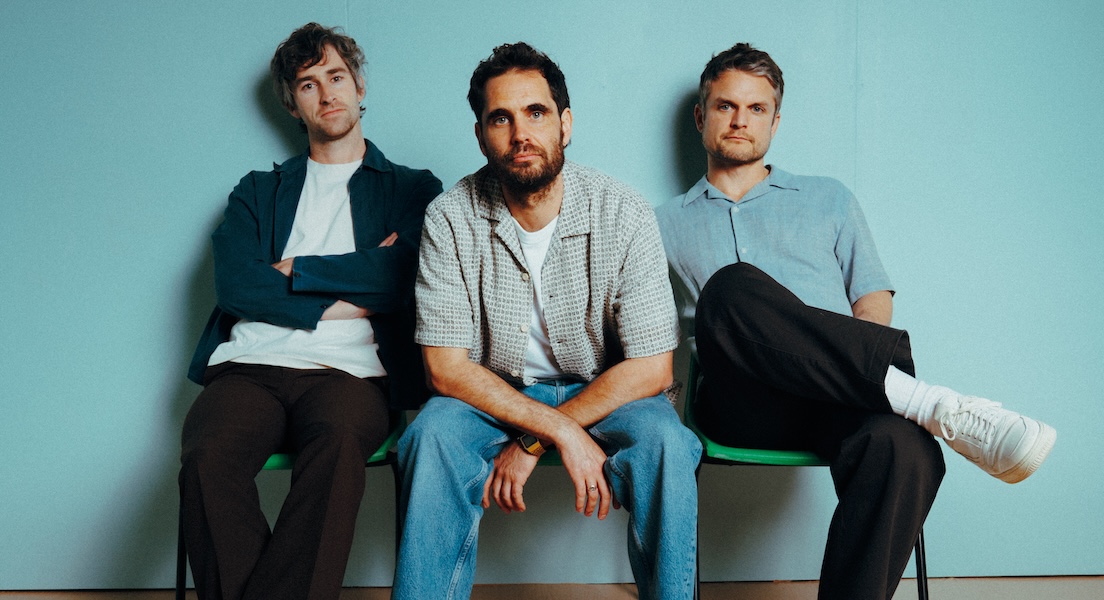
Kraak and Smaak have spent two decades building a world where groove leads, atmosphere follows, and boundaries dissolve. Their catalogue stretches from disco and funk to electronic soul and cinematic moods, always anchored by a love of analogue texture and the energy of live performance. With ‘Velvet Seas’ they open a new chapter, expanding their circle of collaborators and their sense of what their music can be. They stop to discuss curating the remixes, creating between Leiden & Los Angeles, genre fluidity, and more!
WWD: You formed in Leiden chasing a blend of funk, disco and electronic soul. Looking back, what defined your earliest sound and what parts of that identity have stayed with you across seven albums?
When we started out our style was a bit more defined. As mentioned those were indeed funk, disco, soul and jazz but to talk about the music in a broader sense you could say it was always a mixture of rhythm and melancholy I guess. And that has been there till today even when you look at the more electronic and pop tracks.
WWD: Across two decades your music has moved through disco, funk, electronic, indie, deep house, soul and pop. What guided those shifts of instinct, experimentation, or the demands of the dancefloor?
Well we just do what we do and let ourselves be inspired by other artists and the people we work with in the studio. Experimenting with old analogue machines and effects is also a big inspiration for us. Keeping that studio a playground is so important. Of course the experience of djing and playing live has a big impact on us and that manifests itself when back in the studio on different levels. Apart from that we do not try to rationalize too much so I guess it is indeed instinct driven.
WWD: Your debut album introduced your warm analogue aesthetic. How do you hear that record now and what threads from it still run through ‘Velvet Seas?’
We are still very proud of Boogie Angst, we even named our record label after it. I think you can hear it still in the way we build up a song, the way that sound and vibe is as important to us as the songwriting, which can for instance result in just starting two minutes without any vocal. The rest is for other people to decide.
WWD: From SXSW and Coachella to Glastonbury Sziget and Jimmy Kimmel, which moments felt like genuine turning points in your live career?
One of the instants where you could really feel something was happening was when Squeeze Me came out. Everything just happens at once in a timespan of a couple of months. Television shows, radio, lots of festivals. Big momentum is what we felt.
WWD: Your twentieth anniversary XL shows sold out across the Netherlands, Hungary, and the UK. What did expanding the live format unlock creatively?
It showed us that there is nothing in our work we cannot play live really. Especially when you play for fans, anything goes.
WWD: You are known equally for DJ sets and full band performances. How do those two identities influence each other?
Well we always try to make people dance more than normal live bands do I think. We are not afraid to play long pieces of instrumental music when we feel that it will make people move. That comes directly from the DJ experience.
WWD: ‘Velvet Seas’ was written between Leiden and Los Angeles. How did that geographic split shape the album’s mood, the Californian light, the psychedelia, and the cinematic sweep?
Well that cinematic sound you refer to actually comes from Europe. Just have a listen to our Scirocco EP, heavily influenced by French and Italian film music. But then yes of course psychedelic music is invented in California isnt it.
WWD: The record features a wide circle of guests including IVAR, Berenice van Leer, Izo FitzRoy, Butter Bath, The Undercover Dream Lovers, iogi, Kosta G, and Kainalu. What do you look for in a vocalist when building a Kraak and Smaak track?
Well of course Ivar and Berenice are our main vocalists both live and in the dj set sound system so most music is written with them. But to keep it interesting for us we are always on the lookout for new people abroad. And it is always when we hear something special something we never heard before where we think let us try to hook up with that person.
WWD: ‘Velvet Seas Remixed’ brings in Ray Mang, Yuksek, Diogo Strausz, Harvey Sutherland Stirmouth, and Sound Support. How do you curate remixers so the results feel adventurous but still true to the album’s character?
In the end it is really a mix of feeling it might fit with someone or that this or that artist could do a great job with it whether it would work in our own dj mixes and sets and of course personal favourites.
WWD: Which remix surprised you most in how it reimagined the original?
Diogo Strausz’s version of Travel Light really amazed us. It knots together two quite different parts one more melodic song part and one more rough dancefloor part. Really cool.
WWD: Your analogue soul twisting sound is central to the album. What keeps you committed to that texture in an increasingly digital landscape?
The answer to that is quite simple. We work for seventy five percent with analogue machines so there you have it. Nothing wrong with digital though. No snobbism here. It is just that we love to twist real knobs and nothing more.
WWD: After twenty years together how do Oscar Wim and Mark divide roles in the studio Has that dynamic changed over time?
Well we do not spend that much time in the studio together with all three of us anymore as Wim is running the label and managing the live band stuff and Mark is djing and running his own record shop. But when it comes to decisions about tracks and about the musical taste between the three of us we are still on the same page.
WWD: Your catalogue includes collaborations with Mayer Hawthorne, Parcels, Romanthony, and Jamiroquai and remixes for Moby, Aretha Franklin, Chromatics, Royksopp, and Tensnake. How have these global connections shaped your musical instincts?
Well sometimes you get asked to do a remix of a certain song you might not have thought of yourself so that really broadens your perspective and makes you more audacious to try new things.
WWD: When starting a new track what tends to come first: groove melody, vocals, or atmosphere?
Most of the time that will be a groove. Atmosphere. Melody comes next and vocal in the end. But there is nothing written in stone of course. Sometimes we start with a song written on a piano really. But the typical way of doing things the Kraak and Smaak way will be groove based.
WWD: Your instrumental mini album ‘Scirocco’ explored sixties and seventies French and Italian soundtrack music. What drew you to that world and does any of it echo into ‘Velvet Seas?’
We have always been into that kind of music. Serge Gainsbourg Nino Rota Morricone and all those movies. It just took us fifteen years to figure out how to make music like that ourselves. Some of those vibes are seeping through on the Velvet Seas album but if you are really interested in this sound there is a full album coming spring 2027. That will be parts of the EP together with five or six new songs. Really excited about that.
WWD: You have described ‘Velvet Seas’ as the start of a new cycle. What feels different about where you are heading next?
I think we feel there are no boundaries to what we want to explore anymore.
WWD: Twenty years in, what still excites you about making dance music?
Electronic music is always moving and it is just a matter of finding new or old stuff that is inspiring. Not becoming too blase can be a challenge sometimes but you just have to do your best.
WWD: Are there artists you hope to work with in the next chapter?
Always on the lookout here.
WWD: Thanks for the chat 🙂
Thanks When We Dip!
‘Velvet Seas Remixed’ is available here.