

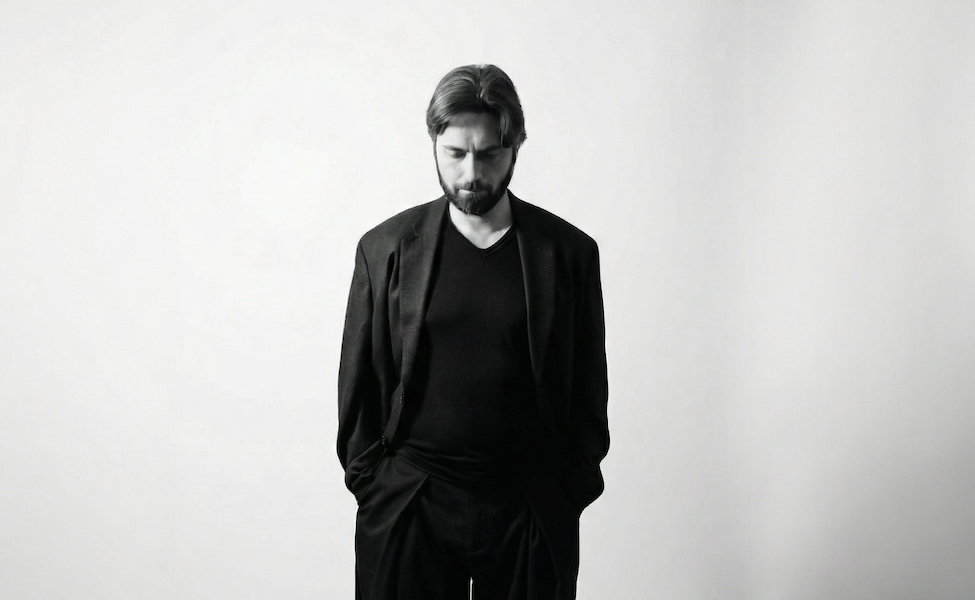



Some records reveal themselves slowly. ‘This Time’ spent well over a year sitting on Avision’s USB, tested weekend after weekend on dancefloors around the world, before the New York artist finally decided it was ready to leave his sets and land on Ground Rule Records. It is one of the most sought-after tracks in his catalogue, built around infectious grooves, disco-fuelled energy and a vocal that carries a bold sense of dancefloor nostalgia without ever tipping into pastiche.
Born Anthony Cardinale, Avision grew up inside the rich club culture of New York City, starting on turntables at 12 and picking up his first residency at 15. Since then he has released on labels spanning the full width of the spectrum, from Ellum and Drumcode to Hardgroove and Truncate, and taken his sound to The Brooklyn Mirage, Time Warp, Off Sonar, EDC Las Vegas, Space Miami, Watergate and Stereo Montreal. Few artists sit as comfortably between New York’s foundational club figures and the generation coming up behind them, sharing line-ups with the likes of Victor Calderone and David Morales while pushing the city’s lineage somewhere new.
Where his ‘Out Of Control’ EP mapped the breadth of his sound across vibrant house, lighter shades of techno and deeper club territory, ‘This Time’ pulls on another thread that has always run through his work: groove, melody and warmth. Ground Rule Records is the natural home for it. More than an imprint, it serves as the musical arm of a wider creative universe that brings together music, events, culture and community through a distinctly New York lens.
We caught up with Avision to talk about knowing when a record is finally ready, the myth of a single New York sound, the line between paying tribute and leaning on familiarity, and what he hopes Ground Rule looks like five years from now.
WWD: Your single ‘This Time’ had been living in your USB for well over a year before its release. At what point does a track stop feeling like “the next record” and start feeling like part of your identity?
I think it happens when you stop listening to it as a producer and start listening to it as a person. When a record sticks with you for that long and you’re still excited to play it every weekend, it stops being about chasing a release schedule. It becomes something that represents where your head’s at creatively. This Time survived a lot of different phases in my sets, and every time I came back to it, it still felt honest. The crowd reactions, and the feedback from my followers was also something that made me realize it needed to come out.
WWD: Ground Rule feels bigger than a record label. Was there a moment where you realised releasing music through other imprints wasn’t enough to tell the story you wanted to tell?
I’ve been lucky to release on labels that really shaped my career, and I’ll always respect that. But eventually you reach a point where you want to build something that’s yours. Ground Rule isn’t about replacing those relationships, it’s about creating a space that I can have freedom of doing what I want, when I want. It’s important to me to have other artists to join the brand that are musically aligned and also the same values as I do. I’m big on building something that feels more like family.
WWD: New York club culture has always evolved by borrowing from different communities without losing its identity. What do you think modern New York gets right that people outside the city often misunderstand?
People sometimes think New York has one sound, but it’s really the opposite. The city’s identity comes from how many different influences exist in the same room. Techno, house, disco, hip-hop, you can hear all of it in one night if you’re in the right places. What makes New York special isn’t one genre; it’s the openness to different ideas while still keeping that raw energy that the city has always had.
WWD: ‘This Time’ leans into disco and nostalgia without ever fully sounding like a throwback. When you’re drawing from dance music’s past, where’s the line between paying tribute and relying on familiarity?
For me it’s about emotion more than imitation. Dance music has such an incredible history, and it’d be impossible not to be inspired by it. But I never want people to hear something and think I’m trying to recreate another era. If I borrow an influence, I want it to feel like it’s moving forward instead of looking backwards. The goal is to make something timeless, not retro.
WWD: You’re equally comfortable playing alongside New York veterans and artists from a completely different generation. Do you ever feel like you’re translating one world to the other?
In some ways, yeah. I grew up respecting the people who built this scene, but I’m also part of a generation that’s pushing it somewhere new. I think there’s value in understanding both perspectives. The music should connect generations, not separate them. If my sets can introduce younger crowds to older influences, and vice versa, that’s a good thing. It’s part of the reason why I love this and continue to push those values forward.
WWD: A lot of labels launch with a sound. Ground Rule seems to be launching with a point of view. If someone discovered the imprint before they ever discovered Avision, what would you hope they understood about you?
I’d hope they understood that I care about quality over trends. I want Ground Rule to feel curated, not algorithmic. Whether it’s a record, an event, or an artist we work with, the common thread should be authenticity. If people associate the label with trust, that when they see a Ground Rule release it’s worth paying attention to, then we’ve done something right.
WWD: Dance music often moves so quickly that records can feel disposable within weeks. You’ve deliberately held onto tracks like ‘This Time’ until they felt ready. Has success made you more patient, or simply more selective?
Probably both. Earlier in my career, I felt more pressure to constantly put music out because that’s how you build momentum. Over time I’ve realised not every record needs to come out immediately. If something still feels exciting after a year of playing it, that’s usually a better sign than rushing it out because the timing seems right. I’d rather release fewer records that last longer.
WWD: If someone listened to your catalogue in chronological order, where does ‘This Time’ sit in the story? Does it represent a new chapter or reveal something that’s always been there?
I’d say it’s a bit of both. The energy people know me for is still there, but This Time probably shows another side that I’ve always had. I’ve always loved groove and melody just as much as harder records. This release just lets that side come through a little more. It’s less about changing direction and more about widening the picture.
WWD: Ground Rule is rooted in New York, but the audience is increasingly global. As the project grows, how do you protect what makes it distinctly yours without becoming nostalgic for a version of the city that no longer exists?
New York has never stood still, so I don’t think the goal is to preserve one version of it. It’s about keeping the attitude, the openness, the work ethic, the diversity of ideas. As long as Ground Rule reflects what’s happening around us while staying true to those values, it’ll always feel like New York, even as the city keeps evolving.
WWD: Lastly, imagine it’s five years from now and Ground Rule has become everything you hoped it could be. What would make you feel proudest: the records, the artists, the events, or the community that formed around it, and why?
The community, without question. Great records are important, and so are great events, but those things come and go. If Ground Rule becomes a place where artists genuinely want to be involved and people feel connected to what we’re building, that’s something that lasts. I’d love to look back and see that we helped create opportunities for people while building a community that believes in the same values. That’s a legacy worth chasing.
Avision: Instagram / SoundCloud